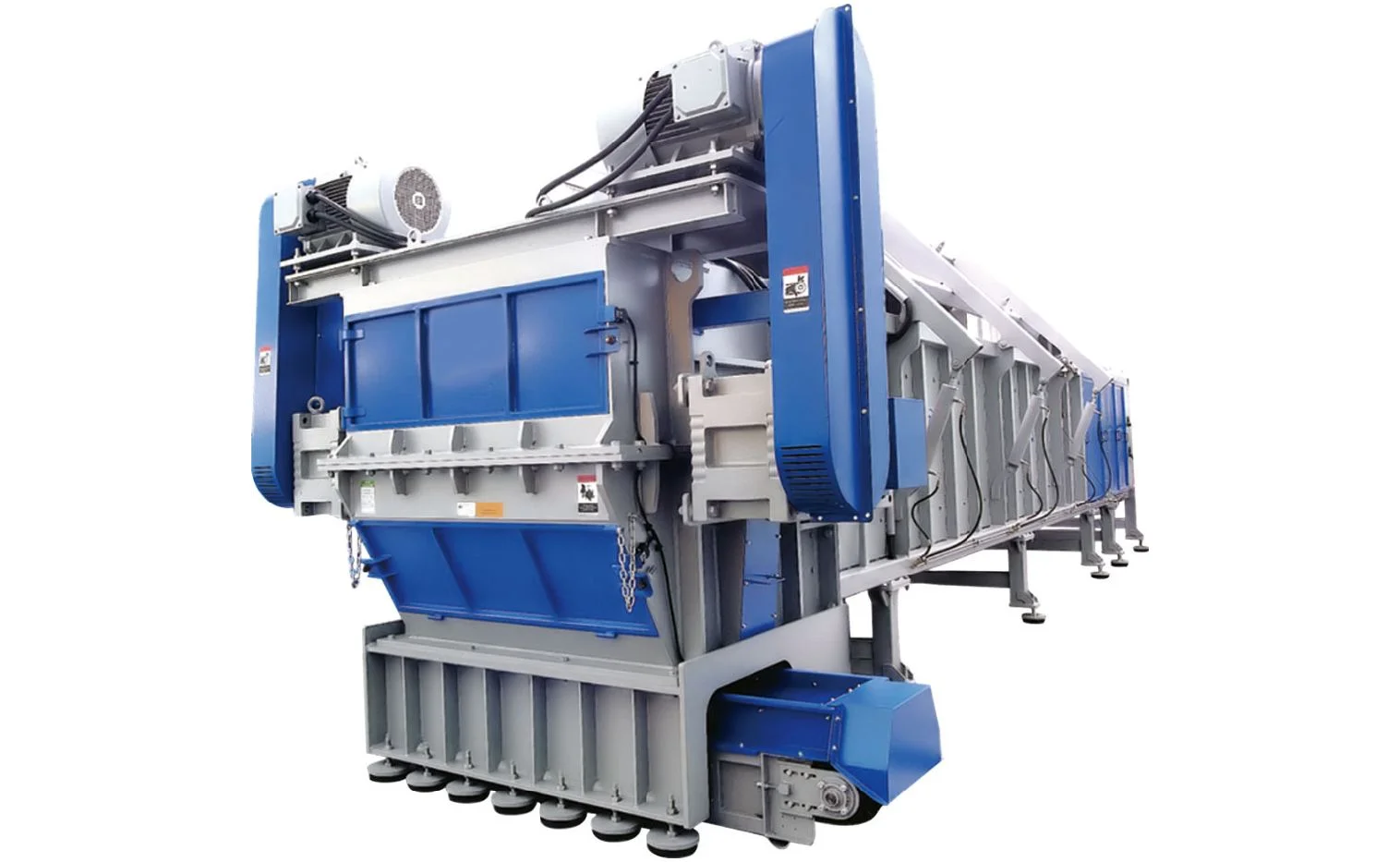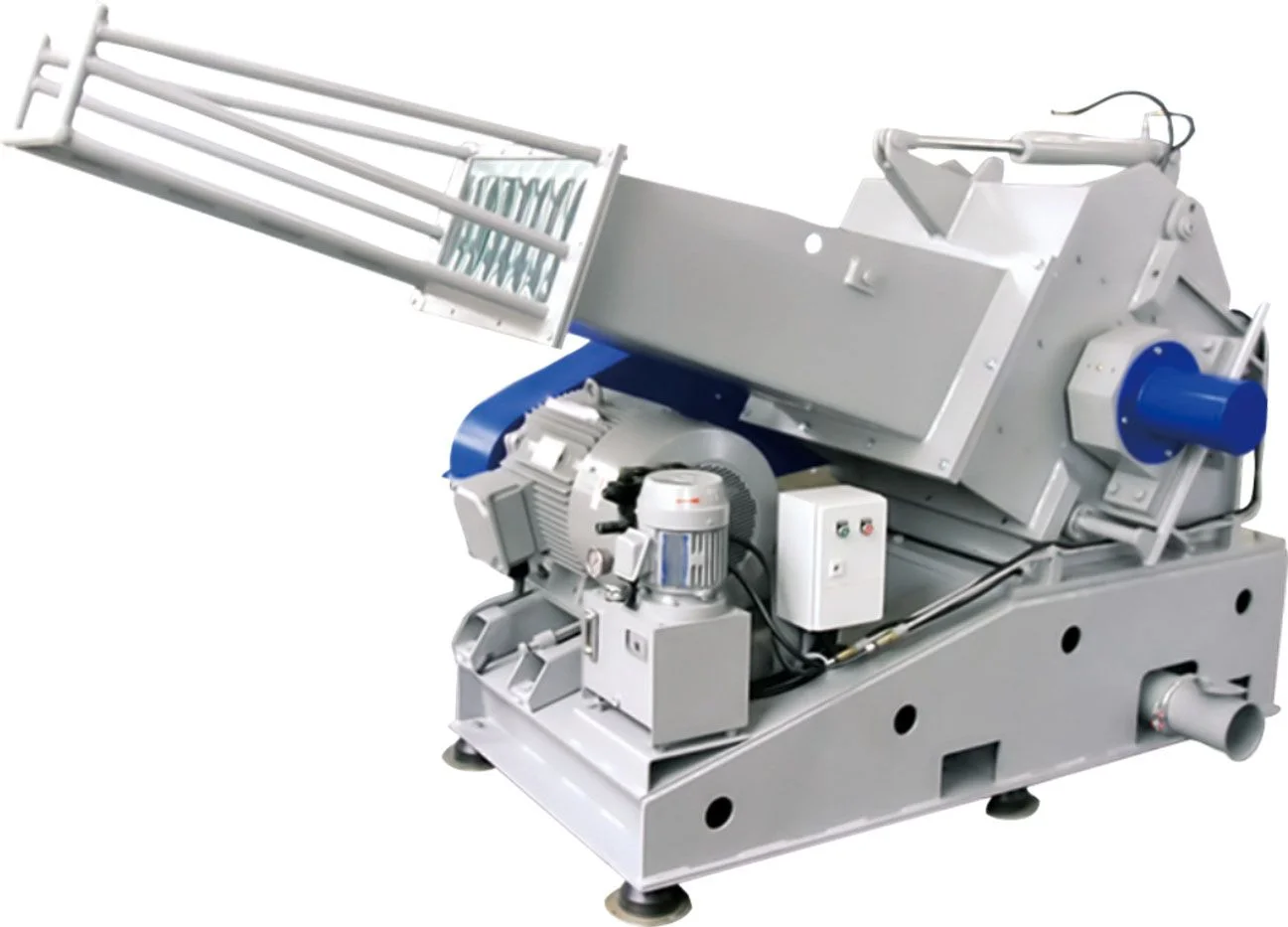
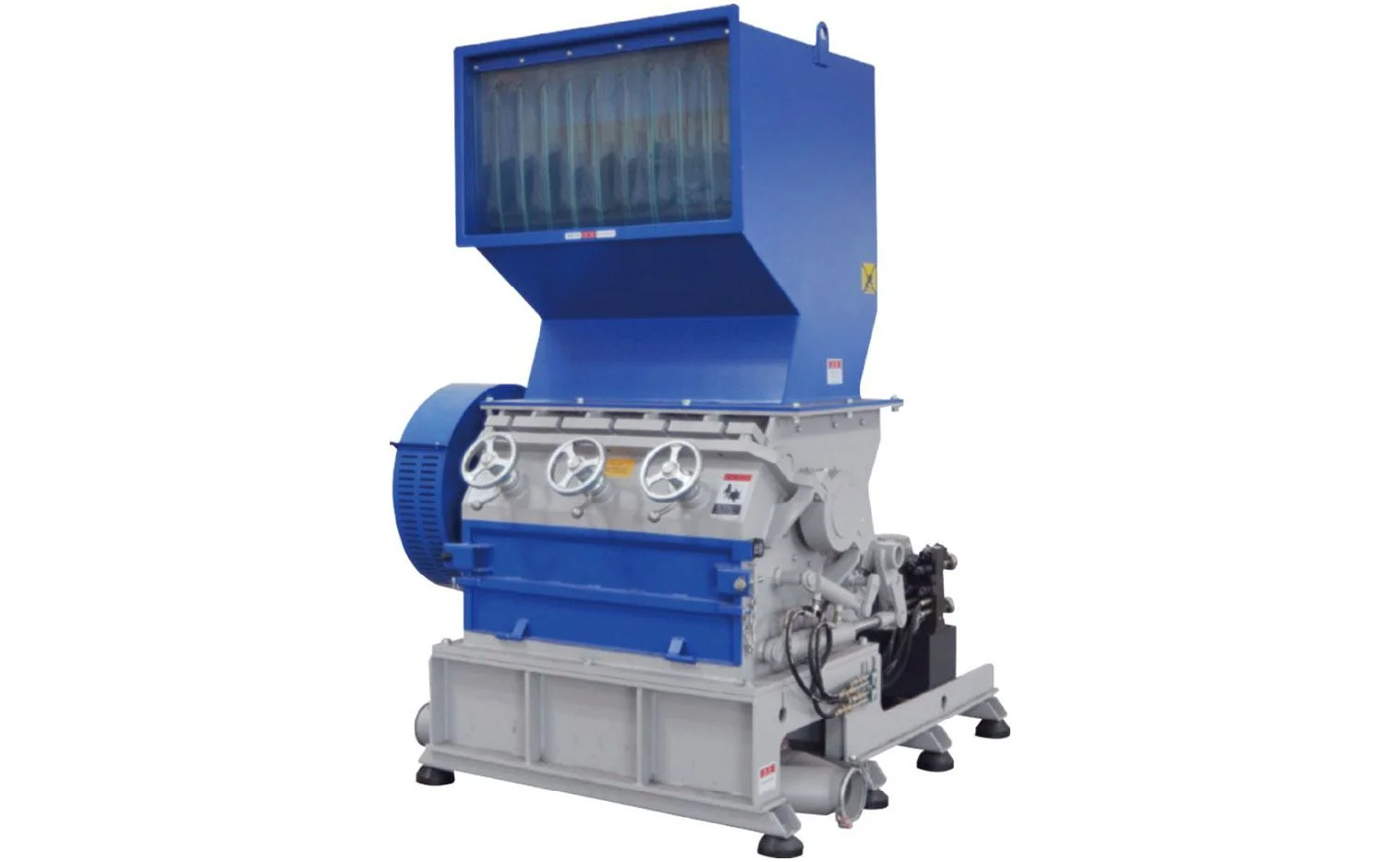
As global recycling demands increase, manufacturers and waste processors require high-performance size-reduction systems that deliver consistent, reusable output. Heavy-Duty Industrial Granulators play a critical role in converting bulky, scrap, or defective plastic parts into uniform, high-quality granules suitable for reprocessing.
At Virtus Equipment, we provide advanced Granulators for Plastics Recycling, engineered for durability, precision, and long-term industrial performance.
What Is a Granulator?
A granulator is a high-speed cutting machine designed to reduce plastic and other materials into small, uniform particle sizes, commonly called granules or regrind. These granules can be reused in manufacturing processes like injection molding, extrusion, blow molding, and compounding, helping reduce material waste and production costs.
What Are Heavy-Duty Industrial Granulators?
Heavy-Duty Industrial Granulators are specially designed to handle large-volume, high-impact, thick-wall, and abrasive materials commonly found in post-industrial, post-consumer, and specialized recycling environments. Built with reinforced cutting chambers, powerful motors, and wear-resistant components, they provide long-term, continuous operation under demanding workloads.
Working Principles of Heavy-Duty Industrial Granulators
Heavy-duty industrial granulators are engineered to reduce large, dense, or highly durable materials into uniform, reusable granules through high-speed cutting and controlled screening. Their working principle involves multiple mechanical processes designed for efficiency, consistency, and durability.
1. Feeding:
Material is introduced into the granulator via a hopper, conveyor, robotic arm, roll-feed, or automated infeed system. Heavy-duty granulators are designed to accept large or irregular pieces, sometimes directly from production equipment or upstream shredders.
2. Cutting Chamber:
Inside the chamber, rotor knives rotate at high speed while stationary stator knives remain fixed. The cutting chamber is built with reinforced steel, impact-resistant bearings, and vibration-dampening frames to handle continuous industrial use.
3. Shearing Action (High-Speed Cutting):
The material is reduced in size through precision shearing, not tearing. Unlike shredders (which use low-speed, high-torque forces), granulators rely on sharp cutting angles and knife overlap to produce clean, uniform particles without overheating or melting the material.
4. Sizing & Screening:
A perforated screen sits beneath the cutting chamber to regulate final granule size. Material circulates until fragments are small enough to pass through, ensuring uniform, process-ready regrind that can be directly reused in molding, extrusion, or compounding.
5. Discharge & Collection:
Granules are discharged through gravity, vacuum extraction, screw conveyors, or pneumatic systems into bags, boxes, silos, or blending units, depending on the production setup. Some systems include dust separation and cooling mechanisms to maintain material integrity.
Types of Heavy-Duty Industrial Granulators:
Heavy-duty granulators come in multiple configurations based on material form, feed method, throughput, and downstream requirements.
1. Central Granulators:
- Installed as a main recycling hub for large, high-volume scrap streams
- Designed for continuous 24/7 processing
- Handles thick sections, large molded parts, purgings, pipes and profiles, and bulky production waste
- Ideal for large manufacturing plants, molding facilities, and commercial recyclers
2. Roll-Feed Granulators:
- Specialized for film, sheets, thermoformed scrap, and web-based materials
- Equipped with nip or feed rollers for smooth, controlled pulling
- Prevents material folding, jamming, or inconsistent feeding
- Often used in packaging, sheet extrusion, and thermoforming lines
3. Combination Shredder-Granulator Systems:
- Integrates primary shredding + secondary granulation
- Reduces the need for pre-cutting or manual size reduction
- Improves energy, labor, and floor-space efficiency
- Best for large, thick, or contaminated materials such as automotive parts, drums, WPC, or e-waste
4. Wet Granulators:
- Used for wash-line-based plastic recycling, especially post-consumer waste
- Water is introduced to reduce dust, friction, and heat
- Prevents plastic softening or melting, improving flake quality
- Popular in PET bottle, film, PP/PE cleaning, and waste-sorting facilities
Uses of Heavy-Duty Industrial Granulators:
Heavy-duty granulators are used wherever material recovery, recycling, or reprocessing is required. Their versatility makes them valuable across multiple industries.
1. Plastics Industry:
- Recycles sprues, runners, reject parts, purgings, profiles, film blowing, pipe, and blow-mold scrap
- Produces high-quality regrind suitable for immediate reuse
- Reduces material purchasing costs and production waste
2. Automotive Industry:
- Ideal for thick-wall, engineering-grade, abrasion-resistant components
- Processes bumpers, dashboards, fuel tanks, interior trims, and under-the-hood parts
- Supports closed-loop sustainability goals
3. E-Waste & Electronics Processing:
- Reduces housings, connectors, insulation, ABS/PC cases, cable jackets
- Enables further separation of plastic, metal, and fiber composites
- Supports WEEE & R2 compliance goals
4. Rubber Processing:
- Handles tires, gaskets, industrial rubber, footwear, seals
- Produces fine, uniform particles suitable for reuse in molding, paving, flooring, and insulation
5. Wood & Metal Composite Processing:
- Works with WPC lumber, laminated board, aluminum-plastic composites, pallets, and panel off-cuts
- Often used in construction, cabinetry, and biomass industries
6. Pharmaceutical & Food Manufacturing:
- Recycles medical-grade plastics, clean packaging scrap, trays, blister packs, and containers
- Supports regulated, contamination-controlled recycling streams
- Helps manufacturers reduce sterile disposal costs
Conclusion:
Heavy-Duty Industrial Granulators are essential for any operation that requires precise, uniform, and reusable material output for recycling or closed-loop manufacturing. Whether used alone or integrated into full recycling lines with shredders, wash systems, and conveyors, they help manufacturers reduce waste, recover value, and support sustainability goals.
For reliable, high-performance Granulators for Plastics Recycling, trust Virtus Equipment – USA to recommend, supply, and support the right machine for your material, application, and throughput requirements.
Frequently Asked Questions
What makes a granulator “heavy-duty”?
Its reinforced cutting chamber, larger motors, wear-resistant blades, and ability to process thick, dense, or contaminated materials continuously.
Can a shredder replace a granulator?
No. Shredders perform coarse size-reduction, while granulators deliver fine, uniform output required for reprocessing or compounding.
What output size can heavy-duty granulators produce?
Output typically ranges from 3mm to 18mm, depending on screen size and application requirements.
Can heavy-duty granulators run continuously?
Yes, they are designed for long-term industrial duty but require routine knife inspection, lubrication, and screen maintenance.
Do I need both a shredder and a granulator?
For large, thick, or oversized materials, both systems together provide optimal efficiency, safety, and output quality.
Does Virtus Equipment provide custom systems?
Yes — including stand-alone machines, multi-stage recycling lines, integration support, and material-specific engineering guidance.