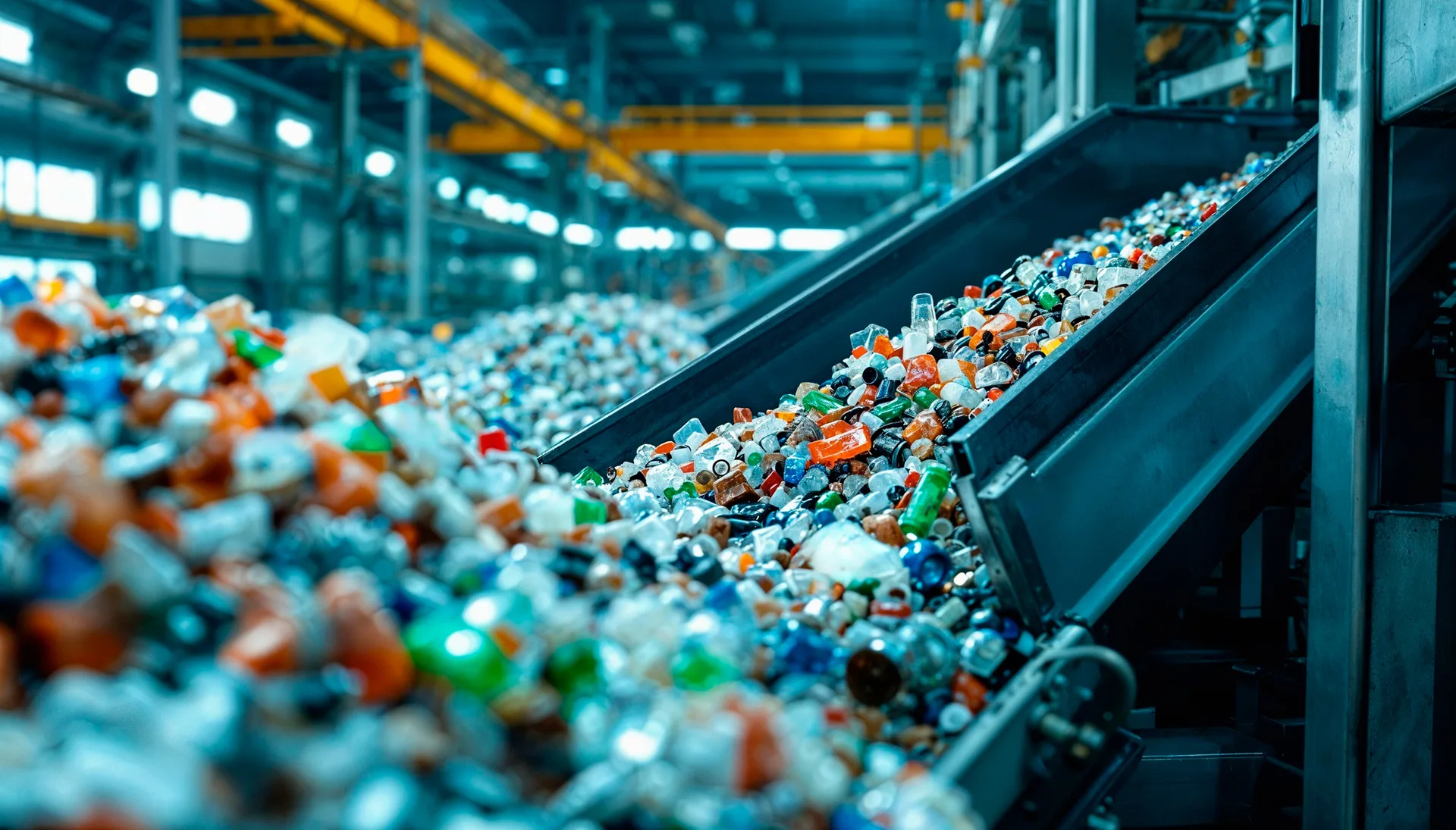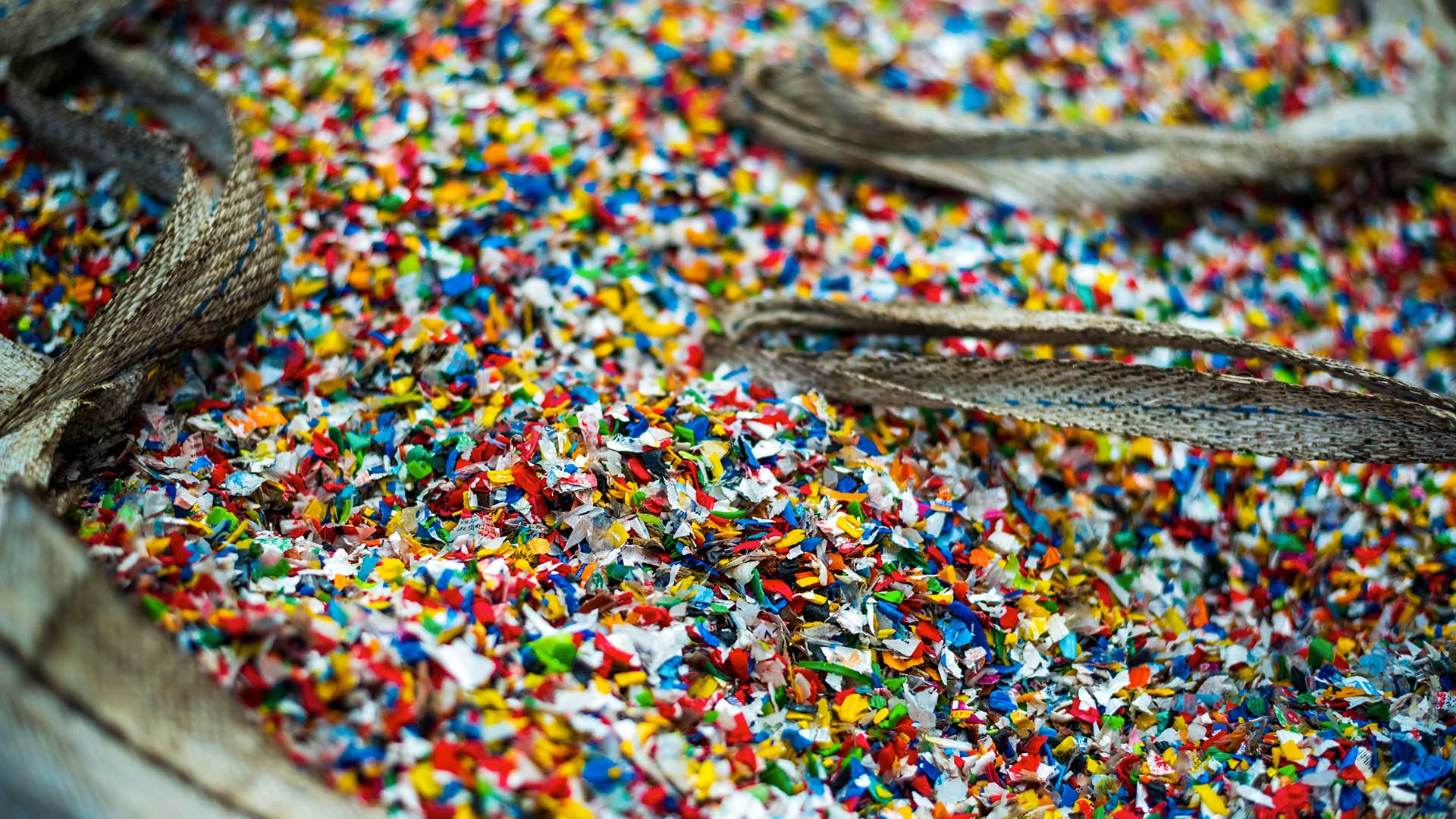
Film humbles machines built for rigid scrap. It’s thin, light, and stringy, it floats, wraps, and bridges, and a dull knife smears it. Here’s why it’s hard and how to cut it cleanly.
Film is the material that humbles machines built for rigid scrap. Plastic film, bags, and flexible packaging are thin, light, and stringy, and they behave nothing like a solid part in a size-reduction machine. They float instead of dropping, they wrap around rotors, they cling and bridge, and a dull knife smears them instead of cutting. As flexible packaging keeps growing as a share of plastic waste, more processors run into exactly this wall. Here is why film is so difficult and how to reduce it cleanly.
Film is low-density and flexible, so it resists feeding, tends to wrap and bridge, and demands genuinely sharp knives to cut rather than tear. Handling it well is less about brute force than about the right feed, sharp cutting, and a setup that keeps the light material moving through instead of floating and clogging.
The four things that make film hard
It’s light. Film has very low bulk density, so gravity barely feeds it; it drifts and floats rather than dropping onto the rotor. It wraps. Thin flexible material tends to wind around rotating parts instead of being cut and released. It bridges. Light, clingy material forms bridges over openings and stops feeding itself. It tears instead of cutting. A dull or wrongly set knife drags film rather than shearing it, producing a ragged, smeared output and wasting energy.
Sharp knives are non-negotiable
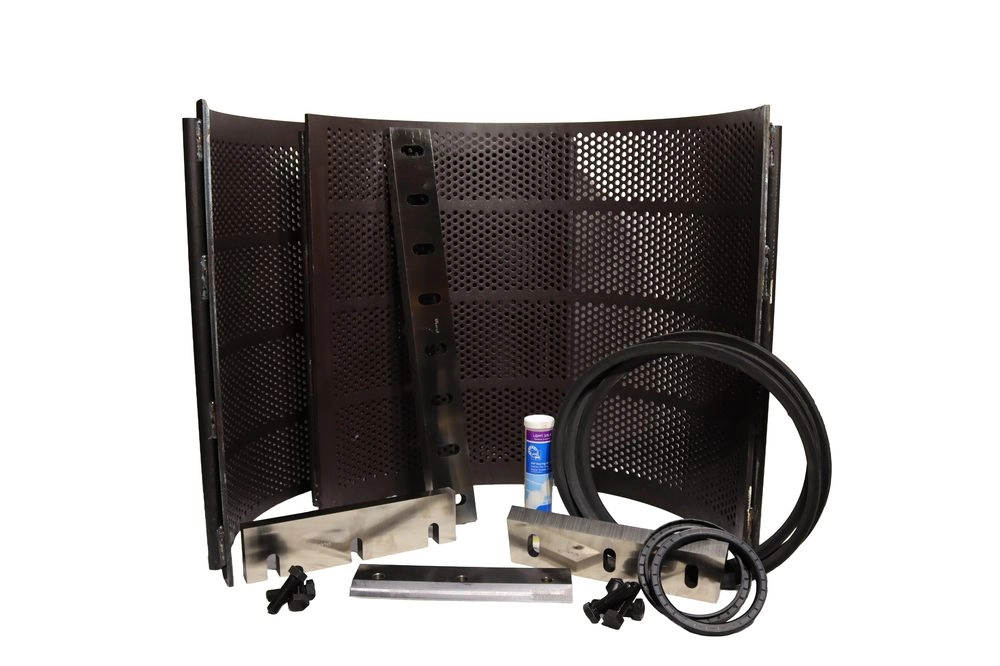
With film, cutting-edge sharpness stops being a nice-to-have and becomes the whole game. As Virtus‘s own service guidance puts it, sharper knives cut plastic more efficiently, and this is especially true with soft materials such as thermoplastic rubber and polyolefin films.[1] A dull edge that would still crunch through a rigid part will simply drag and smear film. That means, for film, a disciplined knife-sharpening and gap-setting routine is not routine maintenance, it is a requirement for getting usable output at all.
Feed and cutting: matching the machine to film
Because film will not feed itself, the machine has to manage it. Approaches that help include controlled, assisted feeding to keep light material moving onto the cutting circle, cutting geometry chosen to shear thin material cleanly rather than let it wrap, and screen and airflow choices that carry the light output away instead of letting it recirculate and clog. For soft, bulky material, tangential-feed granulators are designed to take awkward feed geometry, and sound-dampened compact machines suit the beside-the-process placement where a lot of film scrap is generated.
What film demands versus what rigid scrap demands
Film shifts the priorities away from raw force and toward sharp cutting and feed management. Directional.
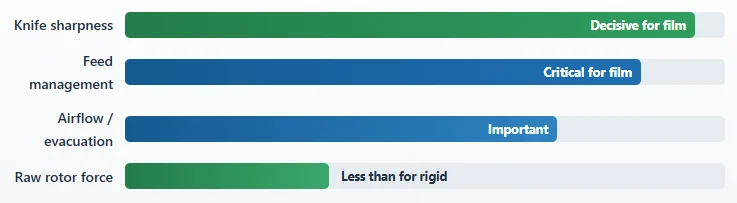
Directional contrast between film and rigid-scrap priorities, informed by Virtus guidance that sharp knives matter most on soft films.[1]
Keep the edge, keep the output
Everything about running film well comes back to maintenance discipline on the cutting system. Sharp knives, a correctly set cutting gap, and prompt renewal of dull edges keep film cutting cleanly instead of tearing, and keep power consumption down. Because film punishes a dull edge so quickly, operations that run a lot of it benefit from keeping fresh blades on hand and a tight sharpening schedule, so a dulling edge never gets the chance to turn good film into smeared, unusable output. Virtus and its distributors keep blades in inventory so a fresh set is available when you need it.[1]
Frequently asked questions
Why does film wrap around the rotor?
Thin, flexible material tends to wind around rotating parts rather than being cut and released, especially when knives are dull or the cutting geometry isn’t suited to thin material. Sharp edges, the right cutting setup, and good evacuation of the light output all reduce wrapping.
Do I need a different machine for film than for rigid scrap?
Not necessarily a different type, but a different setup and emphasis. Film shifts the priority from raw force to sharp cutting and feed management. Machines suited to soft, awkward feed, and a strict sharpening routine, are what make the difference.
How often do knives need sharpening when running film?
More often than with rigid material, because film exposes a dull edge immediately, it starts tearing and smearing rather than cutting. Watch for ragged output and rising power draw, keep fresh blades on hand, and sharpen or swap on a tight schedule.
Struggling with film or flexibles?
Send Virtus a sample of your film or packaging. We’ll test it and recommend the feed, cutting setup, and machine that reduce it cleanly instead of wrapping and tearing.