There is a lot of public attention on the challenges of post-consumer plastic recycling, the bottles, bags, and packaging that come back through curbside programs with contamination, mixed resins, and inconsistent quality. That is a genuinely difficult problem, and it explains why the overall global plastics recycling rate sits at around 9 percent.
What gets less attention is the other side of the equation. Post-industrial plastic, the runners, sprues, purge material, rejected parts, and trim scrap that comes off manufacturing lines, is a completely different story. It is clean. It is already sorted by resin type. It has known processing history. And there is significant, growing demand for it from recycled resin buyers, compounders, and manufacturers trying to meet recycled content mandates.
A Plastics Today analysis notes directly that “post-industrial waste is in high demand because it is clean and ready to be reground into flake for use in new products.” If you are generating this material and not capturing it efficiently, you are walking past money on your production floor every shift.
Post-Industrial vs. Post-Consumer Plastic: The Fundamental Difference
Post-Consumer Plastics
- Mixed resin types in same collection stream
- Contamination from food residue, labels, adhesives
- Unknown processing history
- Requires extensive sorting, washing, cleaning
- Only ~21% of collected plastic goes to recycling globally
- 96% of plastic recycled in formal systems is rigid; flexible film almost never recycled via curbside
- PCR currently costs ~33% more than virgin polymer due to supply constraints
Post-Industrial Plastic (Your Factory Scrap)
- Single resin type, segregated at source
- Clean, uncontaminated material
- Known processing history
- Minimal preparation needed before reuse
- Can go directly back into production at appropriate regrind percentage
- Highly valued feedstock by recycled resin buyers
- Scalable and consistent supply from production operations
The Market Forces Driving Industrial Scrap Value Higher
Three trends are converging to make post-industrial scrap more valuable in 2026 than at any point in the recent past.
First, recycled content mandates are expanding. Seven U.S. states now have Extended Producer Responsibility packaging laws active or operational. The EU’s Packaging and Packaging Waste Regulation sets binding recycled content targets, and brands across consumer goods, automotive, and electronics are committing to recycled content percentages in their supply chains. All of them need feedstock, and clean post-industrial material is among the most reliable sources available.
Second, PCR supply is constrained. A Smithers consultancy analysis published in 2026 found that PCR currently costs around a third more than virgin polymer, and the lack of sufficient recyclate is the central challenge facing the sector. Clean post-industrial material commands premium value precisely because it can substitute for virgin resin with minimal processing.
Third, infrastructure investment is accelerating. Analysts estimate $17 billion in new investment is required to close the collection and sorting gap in U.S. recycling. Until that gap closes, clean industrial scrap will remain a premium commodity.
Premium that PCR currently commands over virgin polymer due to supply constraints, per 2026 Smithers analysis
Share of plastic recycled in formal systems that is rigid; flexible film almost never moves through curbside programs
Estimated U.S. investment needed to close the recycling collection and sorting infrastructure gap
What Makes Post-Industrial Scrap More or Less Valuable
| Factor | Higher Value | Lower Value |
|---|---|---|
| Resin purity | Single resin, no cross-contamination | Mixed resins from shared bins or poor segregation |
| Regrind particle size consistency | Uniform size from properly maintained granulator with correct screen | Inconsistent size, oversized pieces, or excessive fines |
| Contamination level | Clean material with no oils, labels, metals, or foreign material | Contaminated from improper storage or mixed collection |
| Heat history | Single-pass regrind from the same material and press | Multiple regrind passes with accumulating thermal degradation |
| Volume and consistency | Regular, predictable volume from ongoing production | Intermittent, irregular batches with variable quantity |
The Equipment Connection: Capturing Your Scrap Properly
The gap between scrap that has high market value and scrap that has low market value often comes down to how it is processed. Runners and sprues granulated beside the press, segregated by resin, and stored properly are marketable material. The same material mixed in a shared bin, run through a poorly maintained granulator with worn knives, or stored in open containers where it absorbs moisture is worth significantly less, if anything.
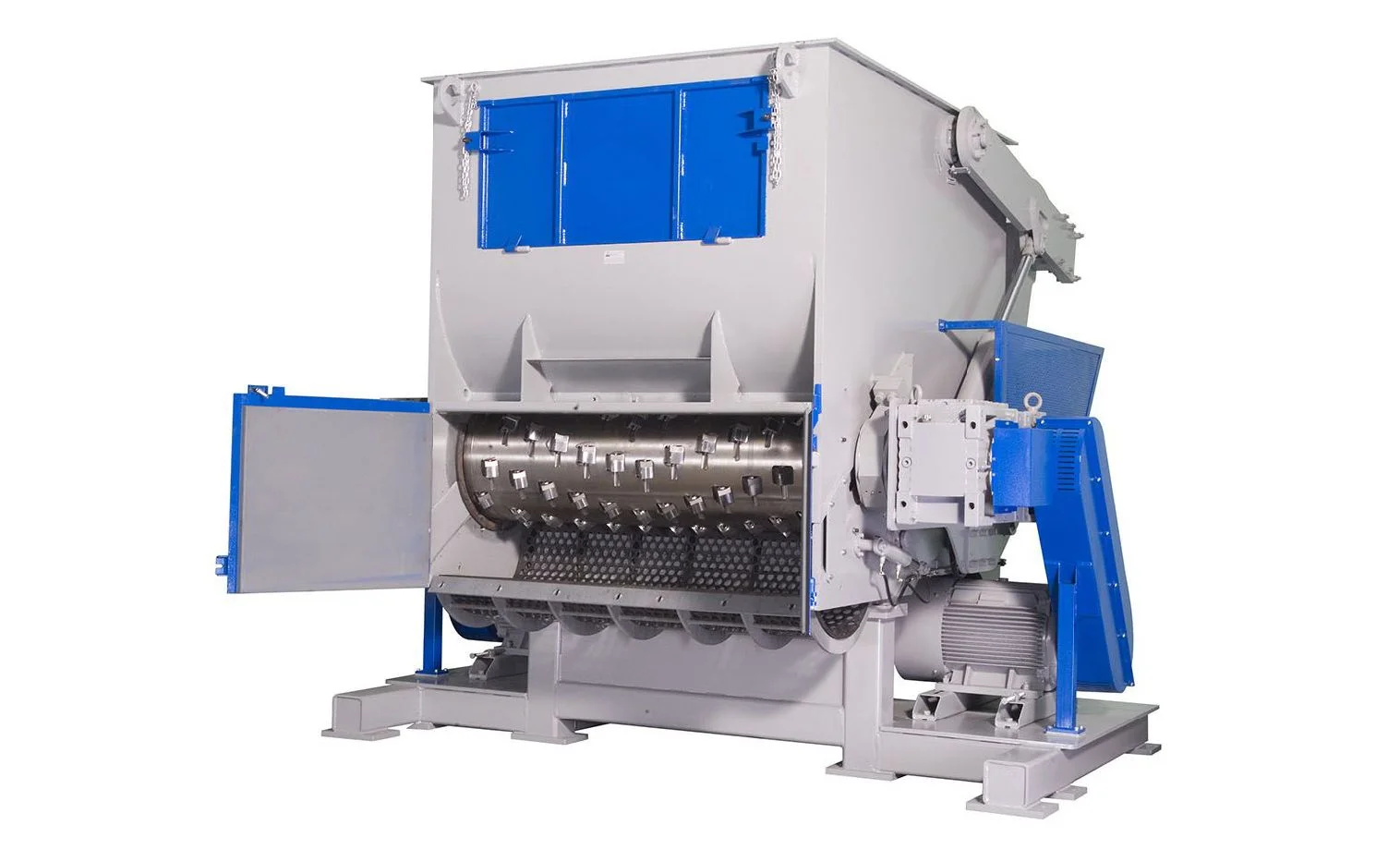
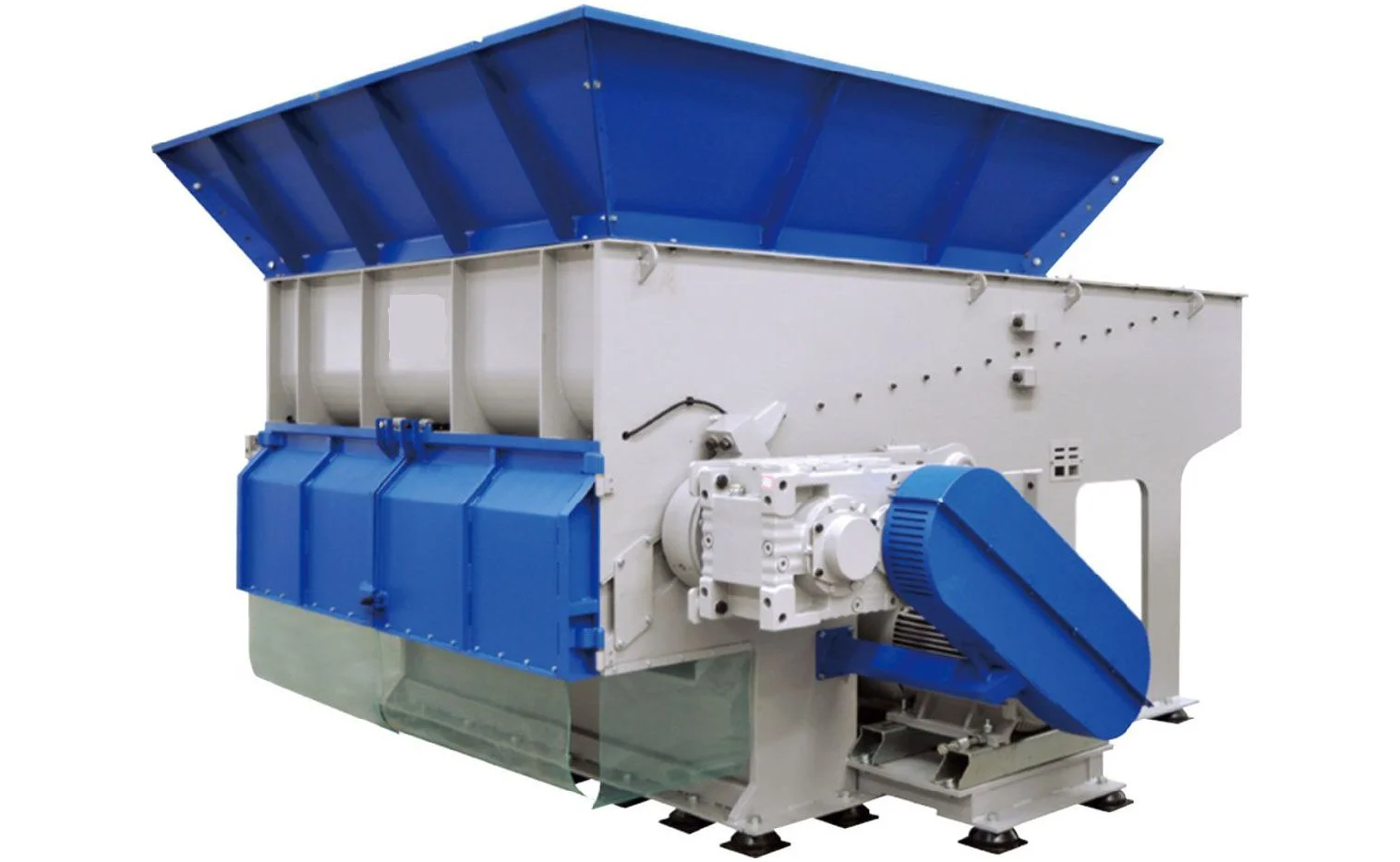
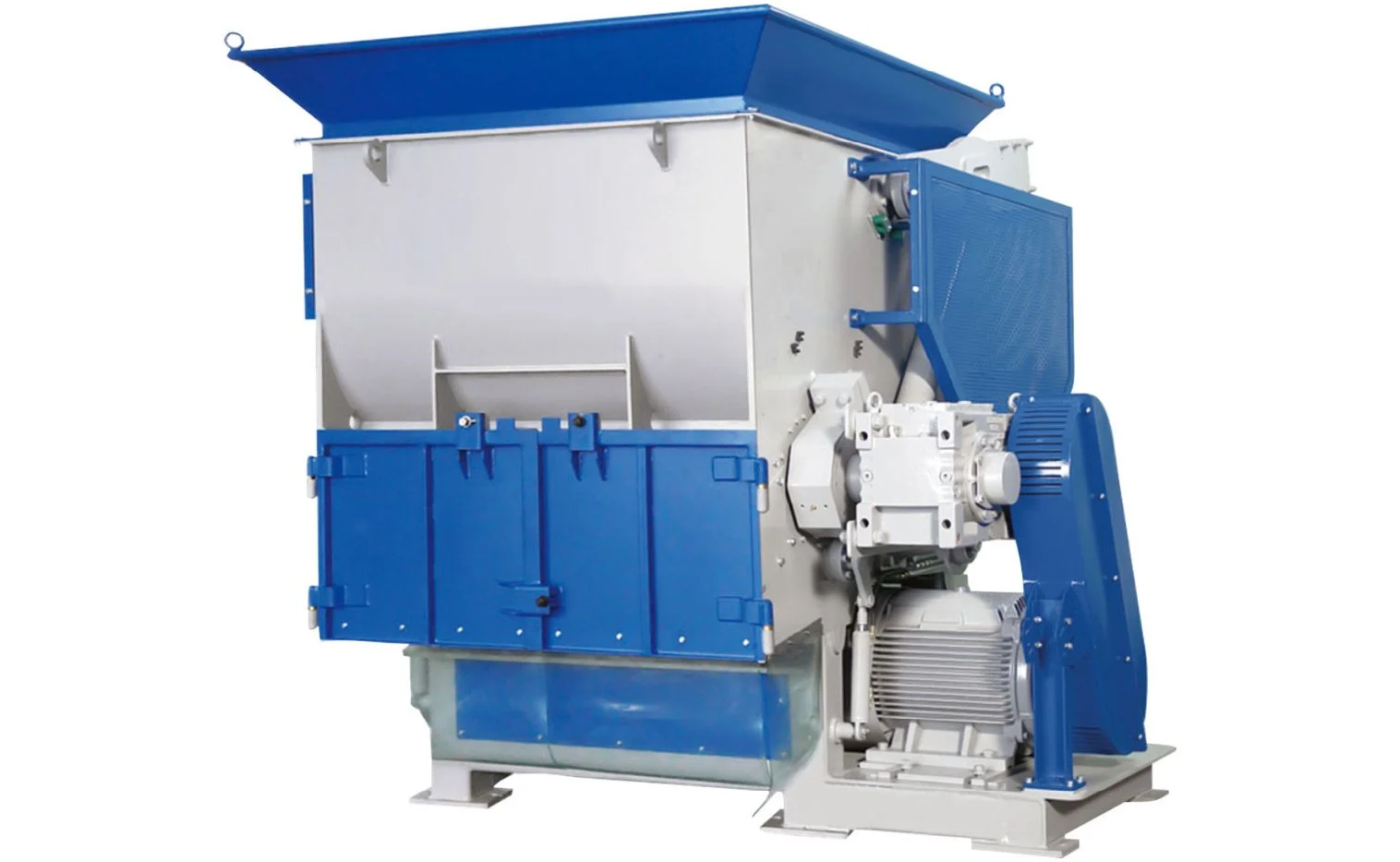
A beside-the-press low speed granulator is the equipment foundation for a clean post-industrial scrap program. For larger or bulkier scrap, an industrial heavy duty granulator or a shredder granulator combination handles materials that a standard beside-the-press unit cannot.
Watch Real Material Tests on the Virtus Equipment YouTube Channel
Virtus Equipment has an extensive library of material test videos showing how different plastics, purge material, rubber, and mixed scrap perform on our equipment under real production conditions. If you have material similar to what you see in these tests, it is a strong indicator of what your output could look like.
- SG 600 Purge Test
Shredder granulator combination processing plastic purge material - SG 600 Rubber Purge Test
Combination unit processing rubber purge material - SG 600 Combination Unit
Full shredder granulator combination system demonstration - See All Virtus Test Videos
Full channel with material tests across granulators and shredders
Have material similar to what you see? Send it to our testing facility and we will run it on our equipment and send you a video of the results.