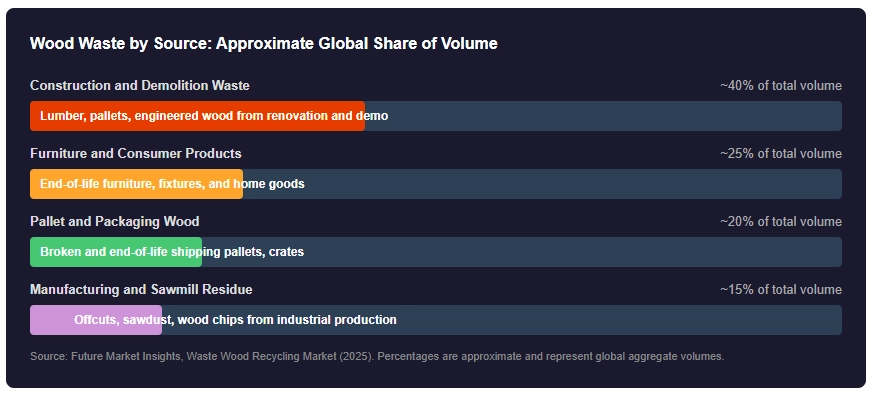
The global wood waste management and recycling market was valued at approximately $21.48 billion in 2025 and is projected to reach $31.99 billion by 2033, growing at a compound annual growth rate of 5.1 percent. Construction and demolition waste is the dominant feedstock, contributing roughly 40 percent of total waste wood volumes. North America holds about 40 percent of global market share, driven by strict construction waste diversion regulations, high landfill tipping fees, and a well-developed private sector recycling infrastructure.
Those numbers matter for anyone running or evaluating wood recycling equipment. They reflect a market with consistent, long-term feedstock, a growing set of end-use applications for processed wood, and a regulatory environment that is pushing more construction waste out of landfills and into processing facilities each year. The EU passed a Circular Economy Action Plan in April 2025 that includes a binding target to recycle 70 percent of all construction and demolition wood waste by 2030. Similar targets are driving infrastructure investment in North America and across Asia Pacific.
Global wood waste management and recycling market value in 2025, growing at 5.1% annually through 2033
Share of total waste wood volume that originates from construction and demolition activities, the largest single feedstock category
North America’s projected share of the global wood recycling market in 2026, the largest regional share worldwide
Where Wood Waste Comes From: The Feedstock Breakdown
What Makes Wood Shredding Different From Plastic Processing
Anyone who has run plastic shredders and then crossed into wood recycling quickly notices the differences. Wood waste, particularly construction and demolition material, arrives with contaminants that plastics rarely carry: embedded metal fasteners, nails, screws, wire, concrete residue, and treated wood with chemical coatings. These contaminants are not optional cleanup items, they are system design requirements.
Metal Contamination
Nails, screws, bolts, and wire embedded in C&D lumber will damage standard cutting geometry if not addressed. Magnetic separators are not optional for wood recycling lines, they are essential infrastructure that protects the entire downstream process.
Treated and Engineered Wood
Pressure-treated lumber, MDF, and engineered wood products contain chemical binders and preservatives. These affect the downstream product mix and in some cases require separate processing streams. Knowing your feedstock composition before you size equipment matters.
Variable Size and Density
C&D wood arrives in wildly inconsistent forms: full framing lumber, broken pallet boards, plywood sheeting, trim pieces, and dimensional lumber mixed together. High-volume, rugged shredders capable of handling this range without pre-sorting are the practical solution.
Moisture Content
Wood moisture content varies significantly by source and season. Wet wood affects cutting efficiency, screen performance, and the heat value of biomass products. Screening and separation systems downstream of the shredder help manage this variability.
What Processed Wood Waste Becomes: The Output Markets
| Output Product | Primary Applications | Market Context |
|---|---|---|
| Wood chips and mulch | Landscaping, erosion control, ground cover, compost additive | High-volume outlet for lower-grade mixed wood; consistent local demand |
| Biomass fuel | Industrial boilers, power generation, district heating | Renewable energy policies driving growing demand; 41% increase in recycled wood for bioenergy noted in market data |
| Particleboard and MDF feedstock | Furniture manufacturing, interior construction materials | Furniture industry uses 31% of recycled wood globally; construction uses 46% |
| Animal bedding | Agricultural operations, stables, poultry housing | Consistent niche demand, requires clean wood free of treated lumber |
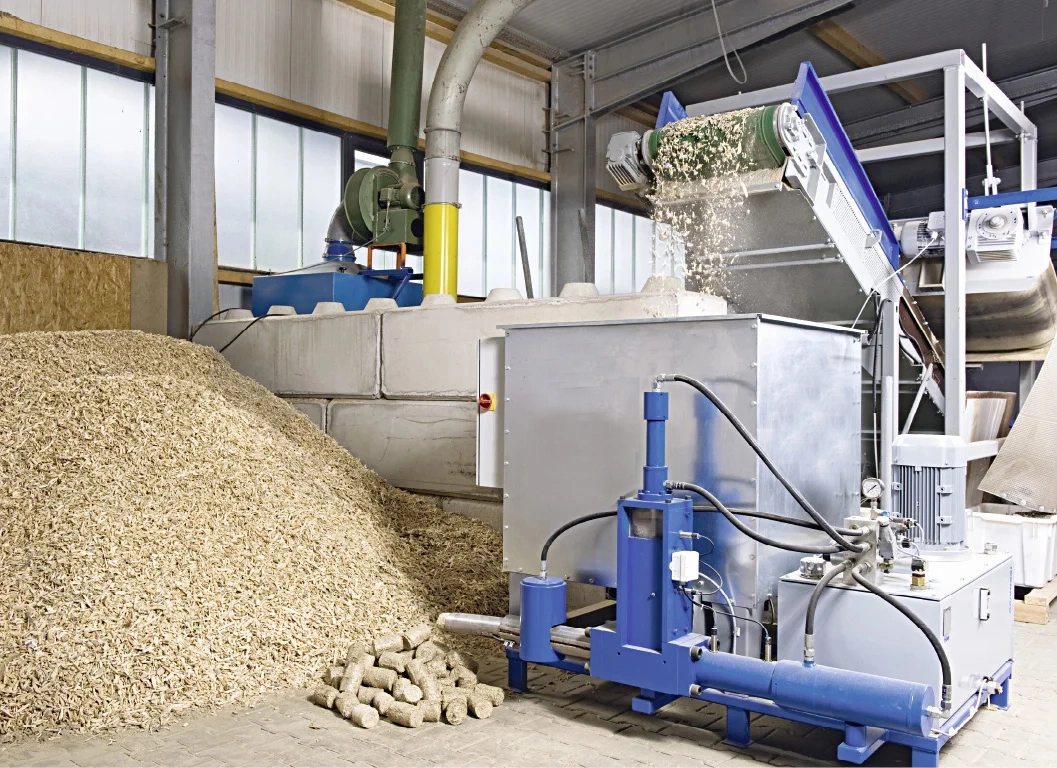
| Wood pellets and briquettes | Residential and commercial heating, industrial fuel | Biomass energy segment growing with renewable energy mandates |
Equipment Requirements: What This Market Needs
IndexBox’s 2026 wood recycling equipment market analysis describes demand in this sector as bifurcating: high-volume, automated systems for large industrial and municipal streams, and modular, flexible solutions for commercial and smaller-scale applications. Both categories share a core requirement: rugged, reliable shredding machinery that can handle contaminated, variable, and high-bulk-density wood feedstock without excessive downtime.
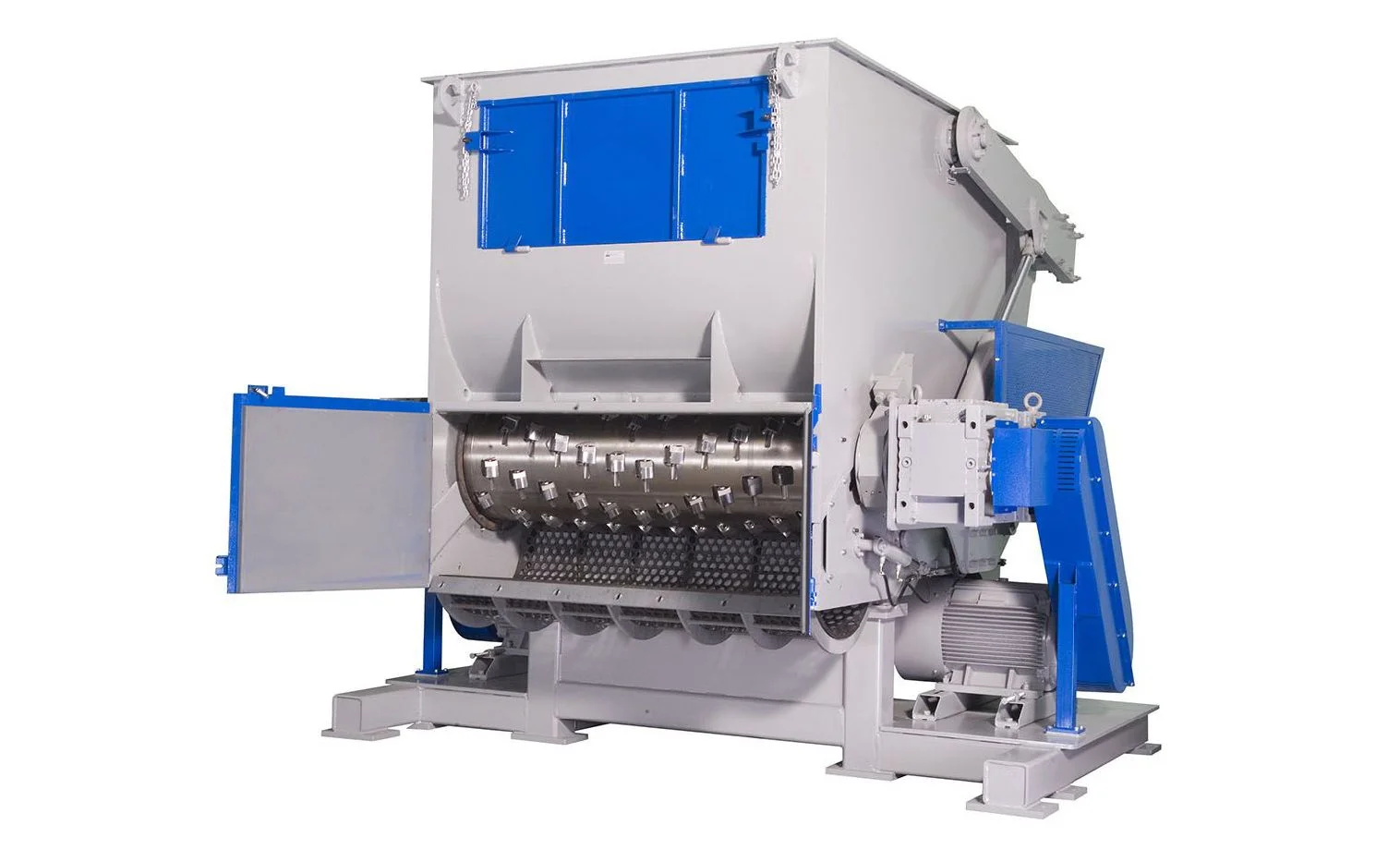
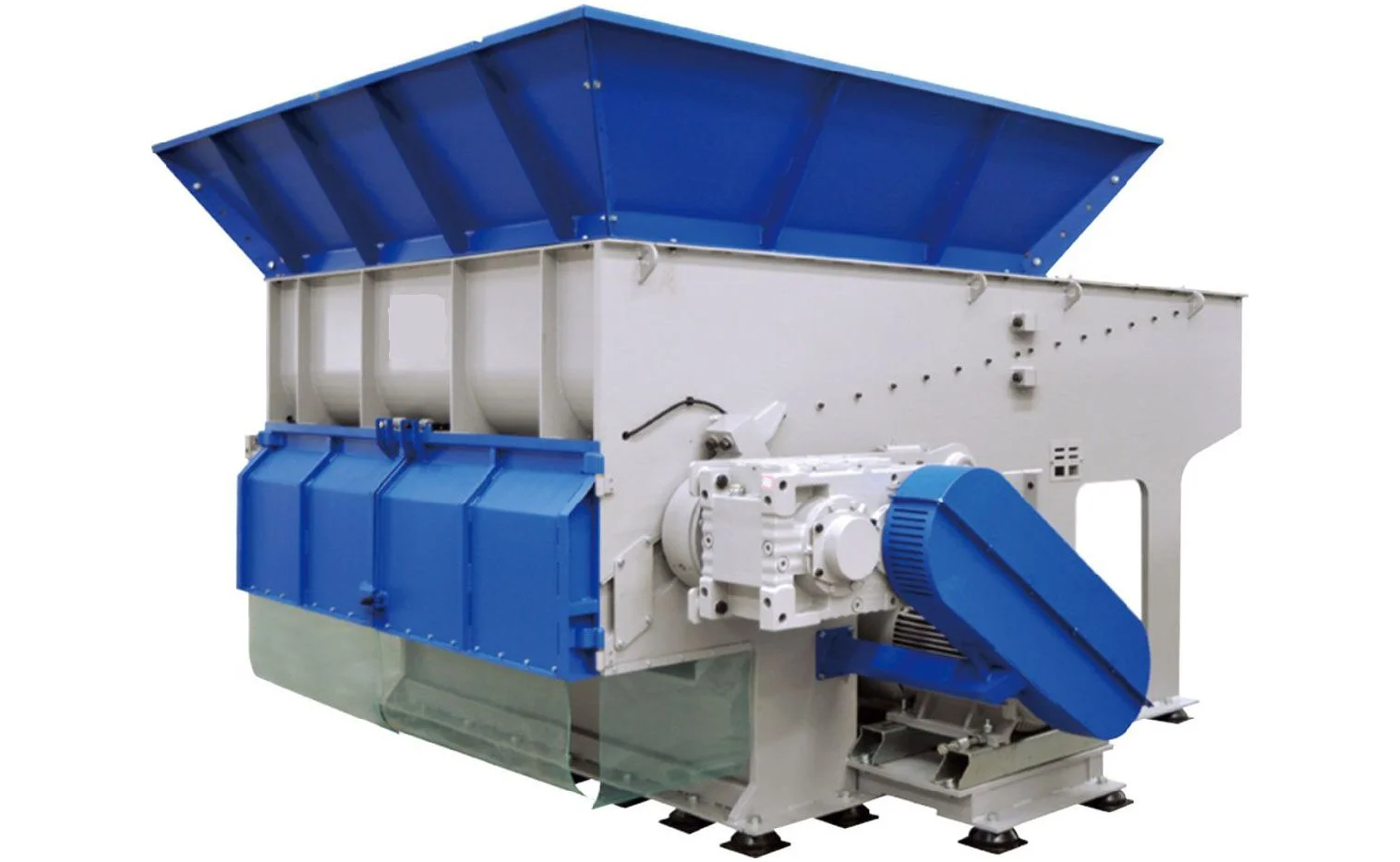
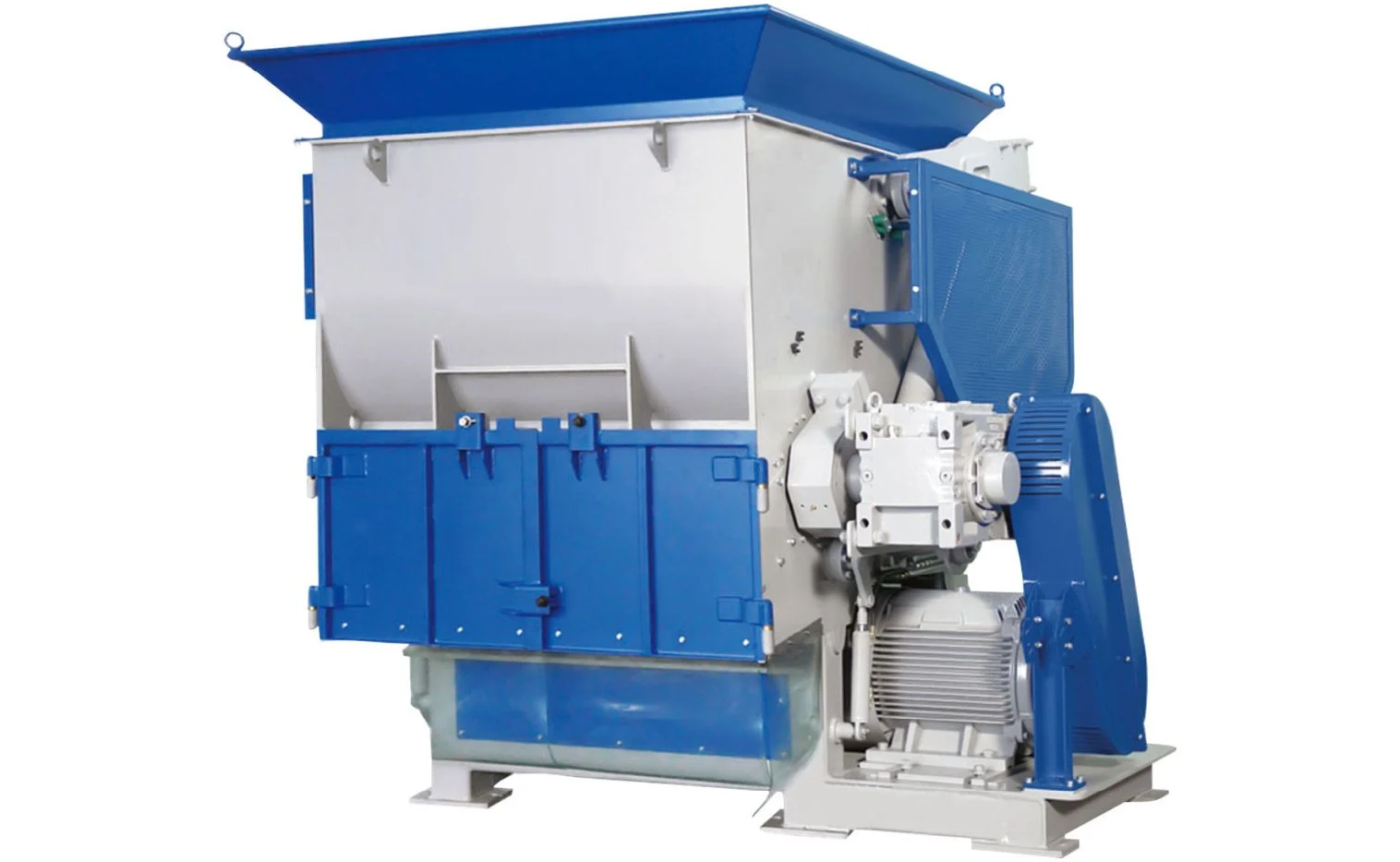
For primary size reduction of C&D lumber, pallet wood, and bulk demolition material, Virtus Equipment’s wood recycling process and our General Purpose Industrial Shredder and Big Volume Industrial Shredders are the relevant configurations. For wood that arrives pre-sized or as manufacturing residue, a heavy duty granulator downstream of the primary shredder can produce the chip or particle size needed for specific end markets.