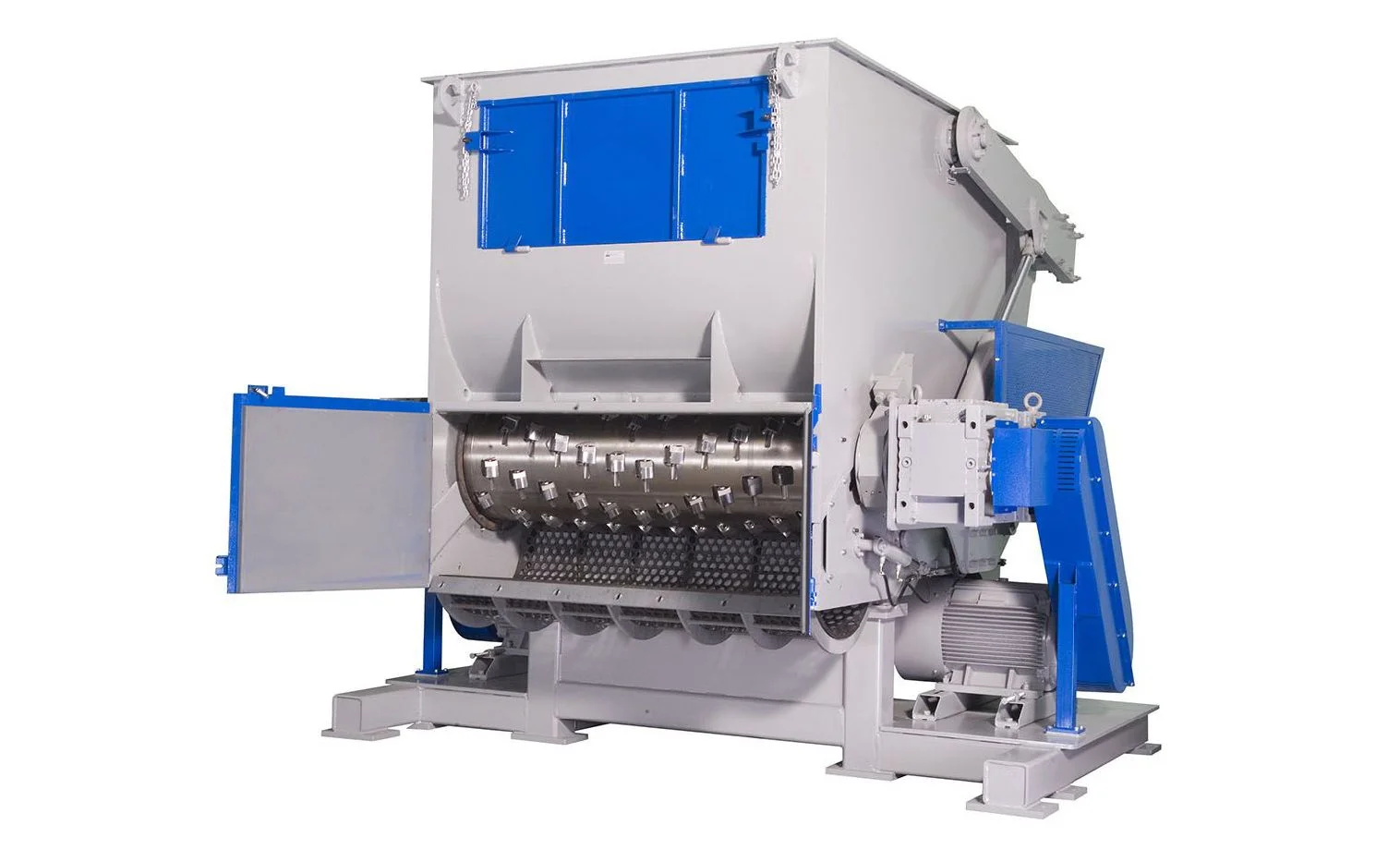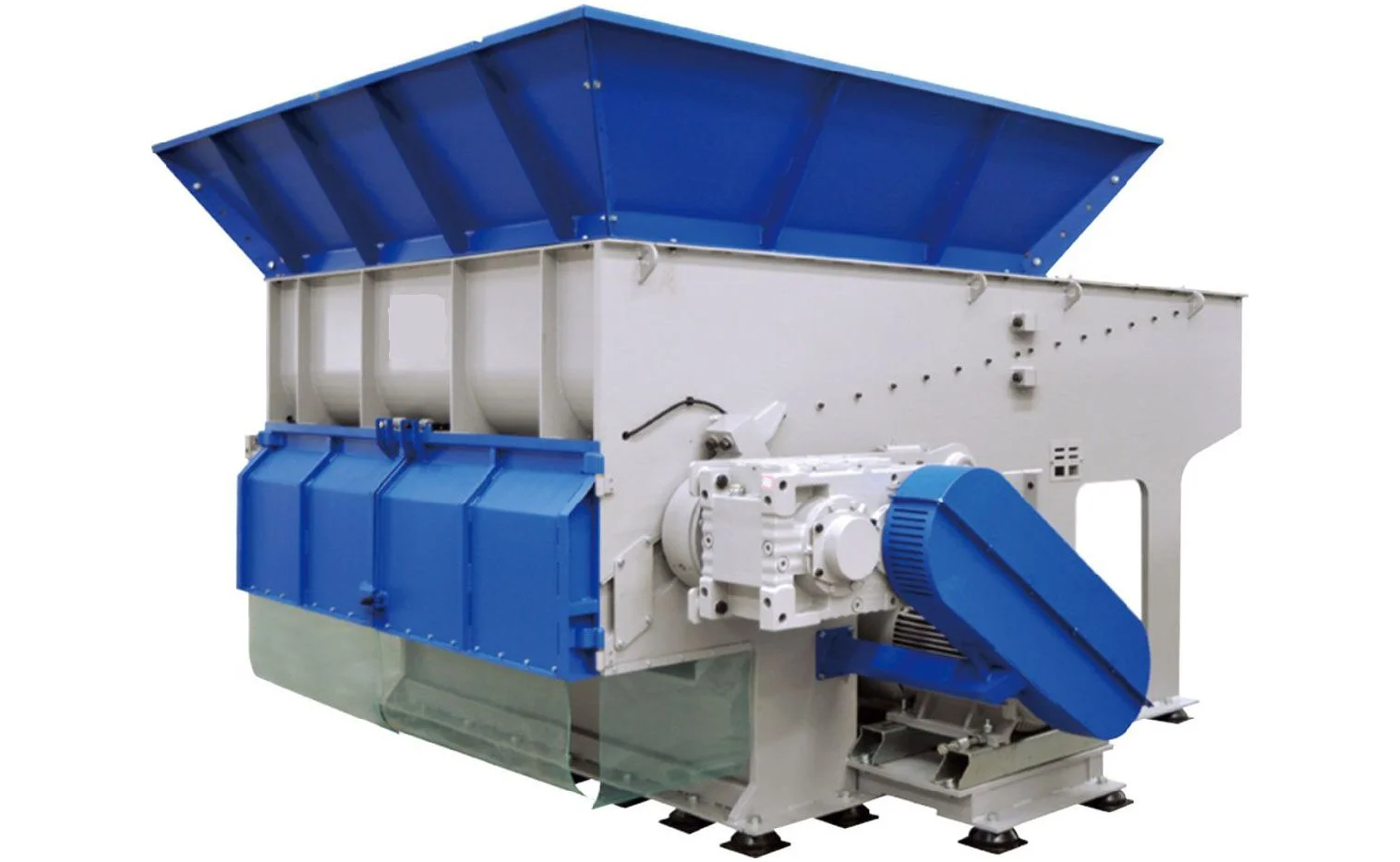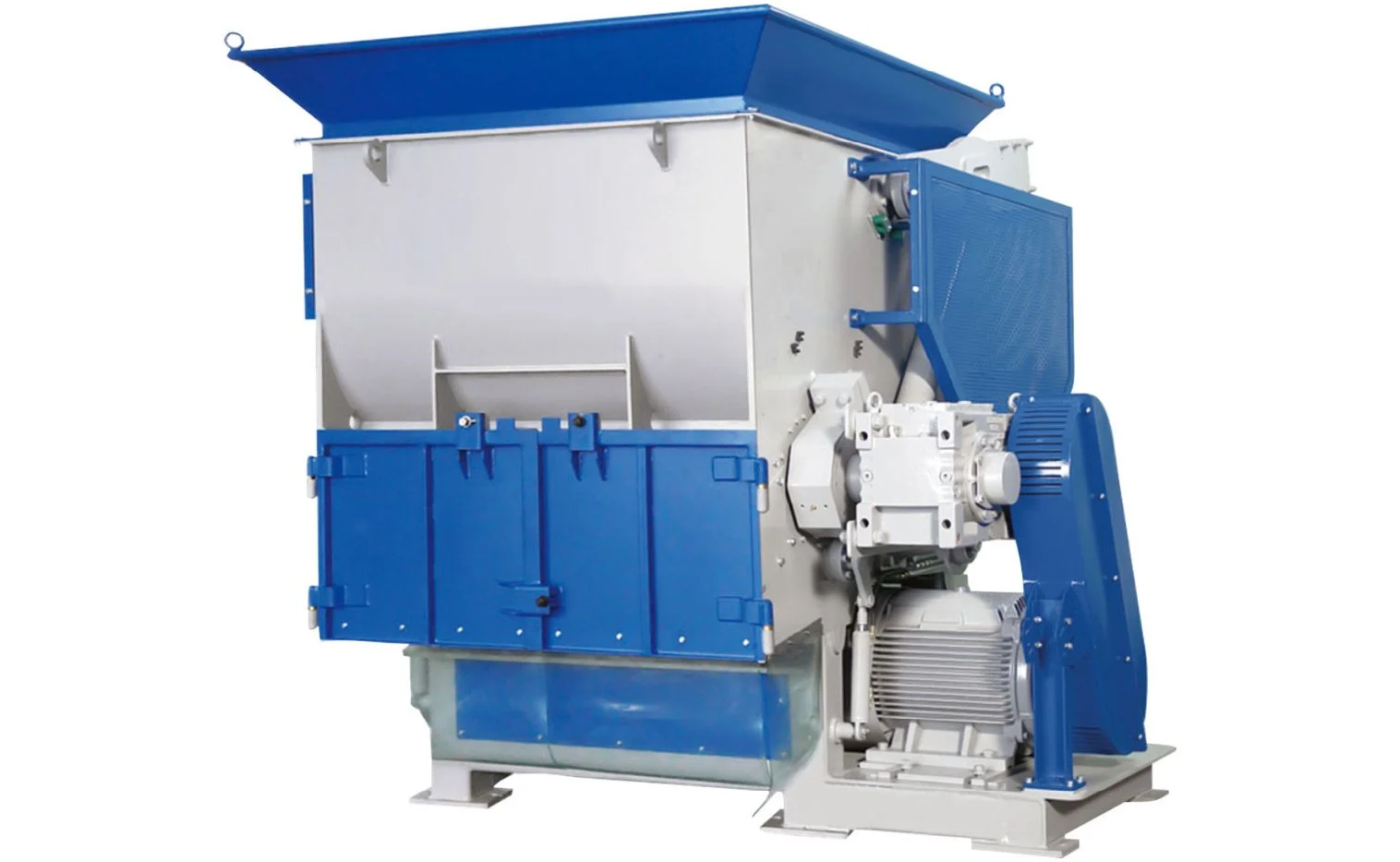
Granulators are easy to take for granted. They sit beside the press or in the processing area, they run, and most of the time nobody thinks much about them until something goes wrong. That attitude works fine until it does not, and then the cost arrives all at once: an unplanned shutdown, a maintenance call, damaged downstream equipment from poor regrind, or a full rotor inspection after a jam that could have been caught two weeks earlier.
Performance degradation in granulators is almost always gradual. Dull knives increase motor amp draw slowly. Vibration levels creep upward. Fines production rises in increments that operators normalize over time. None of these signal an obvious emergency, but they all add up to a machine that is working harder, producing worse output, and moving closer to a preventable failure.
Reduction in granulator downtime achievable with structured preventive maintenance vs. run-to-failure, per major OEM studies
Knife life extension possible through regular sharpening and proper gap maintenance vs. reactive replacement
Estimated cost of unplanned downtime per hour on a 75 kW granulator, including lost throughput and labor
Early Warning Signs Most Operators Miss
Warning Signs Your Granulator Is Telling You Something
🔊
Unusual noise or vibration change
A sudden whine, rattle, or vibration change often signals knife gap drift, a loose rotor bolt, or bearing wear. Do not normalize new sounds.
⚡
Rising motor amp draw
Dull knives make the motor work harder to cut material. Trending amp draw over time is one of the most reliable leading indicators of knife wear.
💥
Increasing fines in regrind output
A 10 percent screen blockage from fines buildup can raise motor load by 15 percent. Rising fines signal dull knives or screen wear before you can see it.
🔥
Heat buildup in the cutting chamber
Elevated operating temperature means friction is increasing. This accelerates knife wear and risks degrading heat-sensitive materials during granulation.
🔍
Non-uniform regrind particle size
Screen holes elongate with wear, letting oversized particles through. Non-uniform output that passes through the screen is a sign screens need inspection.
⏩
Reduced throughput at the same settings
If the same material is taking longer to process at unchanged settings, the cutting geometry is degrading. Throughput drop is a lagging indicator of earlier wear.
The Maintenance Schedule: What Gets Checked and When
- Visual clean-out of hopper, cutting chamber, and screen area. Remove material buildup and fines around all surfaces to prevent heat accumulation and flash fire risk. (Daily)
- Listen and look for new noise or vibration. Walk the machine through a full cycle and compare to baseline behavior. New sounds after a material change may indicate knife contact or foreign material in the cutting chamber. (Daily)
- Check screen condition. Inspect for clogging, deformation, or elongated holes. Even a 10 percent blockage measurably increases motor load and reduces output quality. (Weekly)
- Log motor amp draw and compare to baseline. A simple ammeter reading logged at the start of each week gives you a trend. Rising amps mean rising knife wear. (Weekly)
- Inspect knife edges and measure knife gap. The cutting gap between rotating and fixed knives should be checked against manufacturer specification, typically in the range of 0.2 to 0.3 mm for most granulators. Gap drift is a primary cause of regrind quality decline. (Monthly)
- Check drive belt tension and condition. Belt slippage reduces power transmission, increases heat, and accelerates belt wear. Inspect for cracking, fraying, and proper tension. (Monthly)
- Inspect bearing condition. Check for unusual temperature at bearing housings during operation and for play in the rotor shaft. Early bearing detection is one of the highest-ROI maintenance activities on any rotating machine. (Monthly)
- Sharpen or replace knives based on hours and material, not just appearance. Implement a knife hour-tracking log per machine. Sharp knives with proper gap settings are the single most effective way to maintain throughput, regrind quality, and energy efficiency simultaneously. (By Hours)
Knives: The Component That Touches Everything
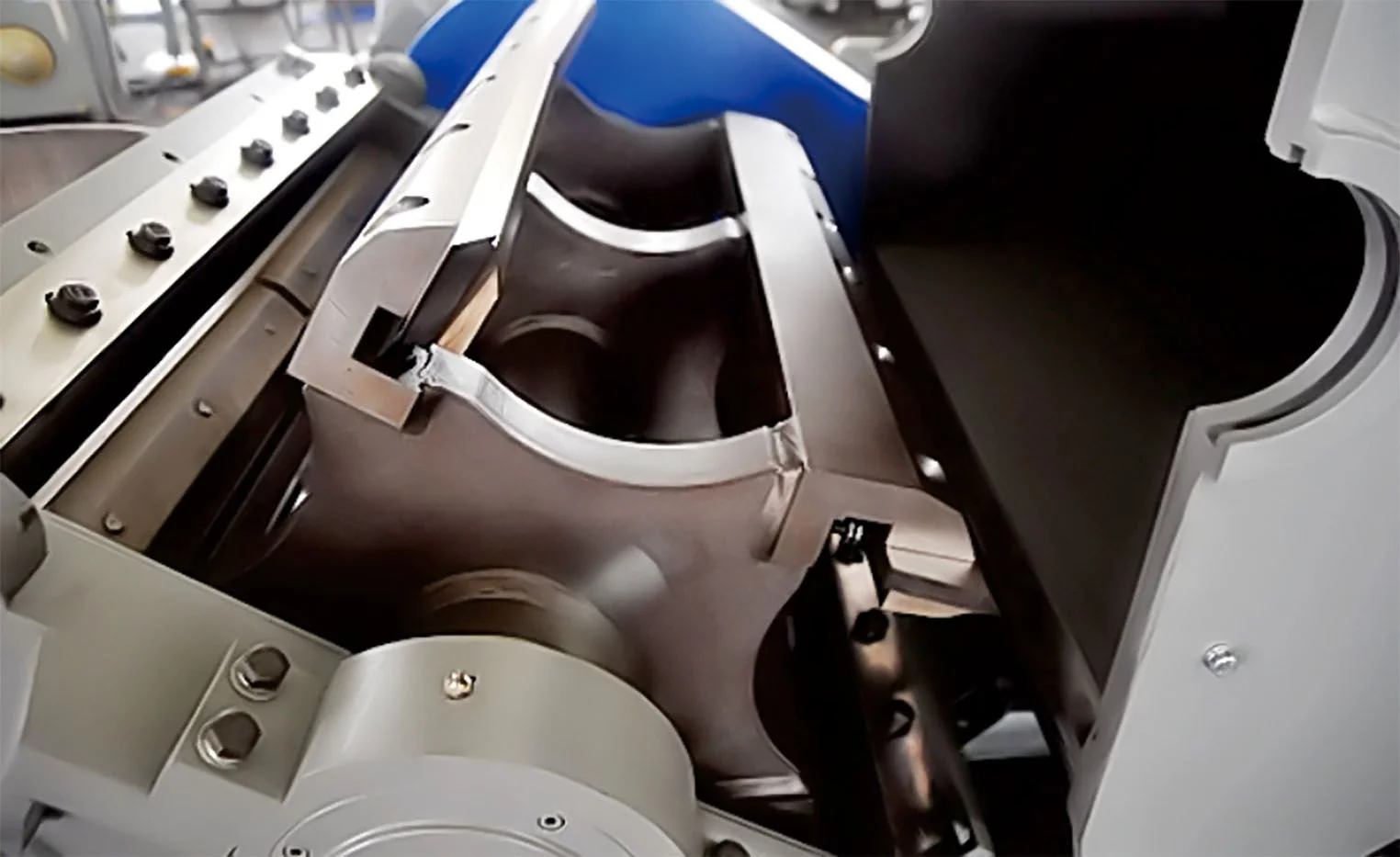
Knife condition directly affects four things at once: regrind particle size consistency, fines generation rate, motor energy consumption, and heat in the cutting chamber. Dull knives do not just make worse regrind, they make the whole machine less efficient. Plastics Technology notes that knife gap should be verified on every preventive maintenance schedule, and that having a spare set of rotor blades on the shelf for each granulator is standard practice to prevent extended downtime while waiting for sharpening.
| Material Type | Effect on Knife Wear Rate | Maintenance Implication |
|---|---|---|
| Standard thermoplastics (PP, PE, ABS) | Normal wear rate | Standard sharpening schedule per manufacturer hours guidance |
| Glass-filled engineering resins (33% GF nylon, etc.) | Significantly accelerated wear; glass is highly abrasive to cutting edges | More frequent inspection and sharpening; consider higher-hardness knife alloys |
| PVC and chlorinated materials | Moderate wear; corrosive chemistry can affect knife alloys over time | Check manufacturer recommendations for knife alloy compatibility |
| Rubber and tire material | High wear from steel wire content; abrasive and tough cutting conditions | More frequent inspection; steel wire detection/removal upstream is critical |
| Film and flexible thin materials | Moderate wear; wrapping risk increases with dull knives | Sharp knife edges are particularly important to prevent wrapping on rotor |
Build Your Spare Parts Inventory Before You Need It
The most expensive part of a granulator breakdown is usually not the repair itself, it is the wait time for parts. An operation running a granulator beside each press cannot afford to have a machine idle for three days waiting on a screen or a knife set that was not stocked. The minimum critical spares recommended by maintenance experts are: a full knife set, two screens in the most commonly used size, a drive belt kit, main bearing grease, and the bearings themselves if your machine runs continuous or high-volume shifts.