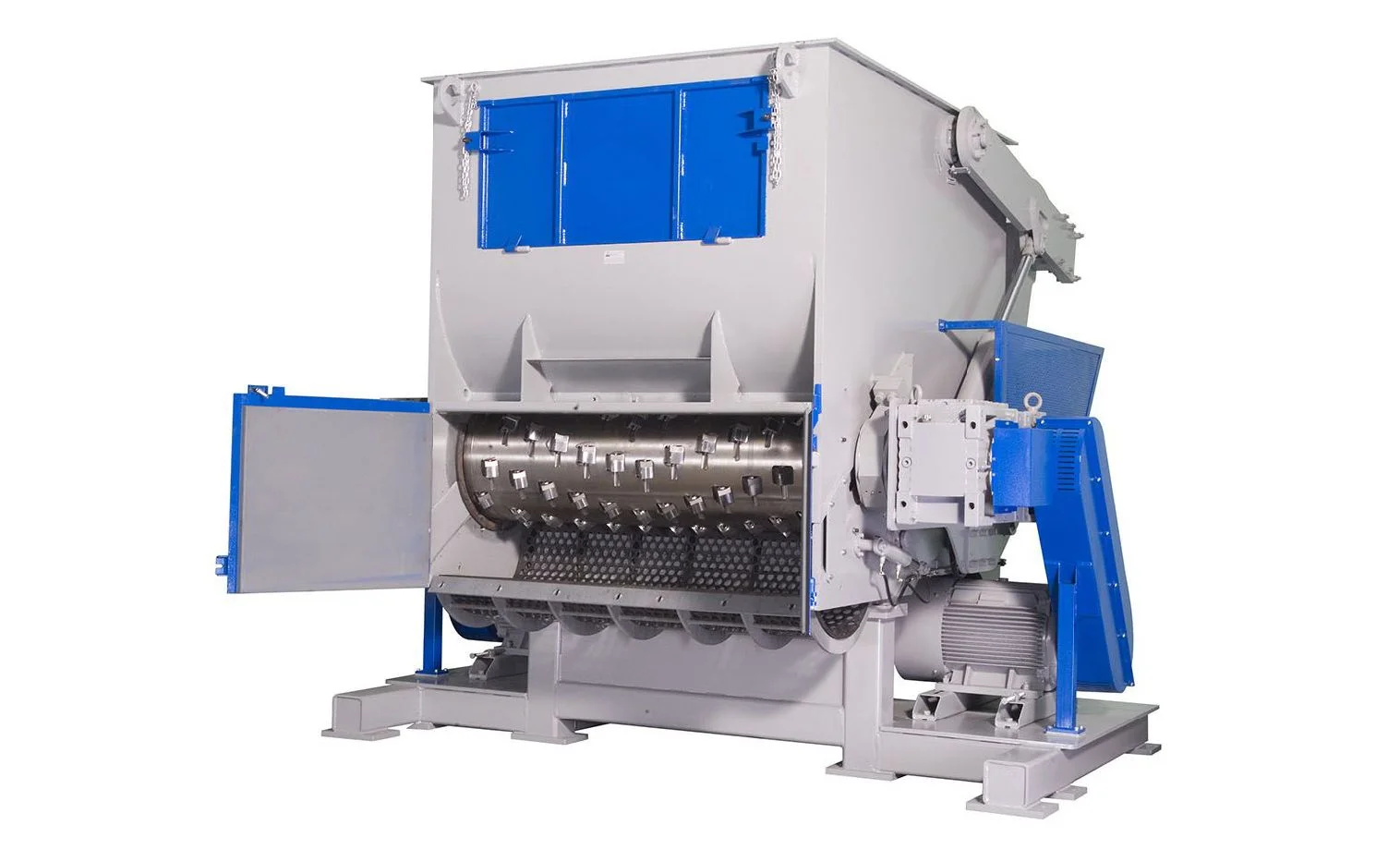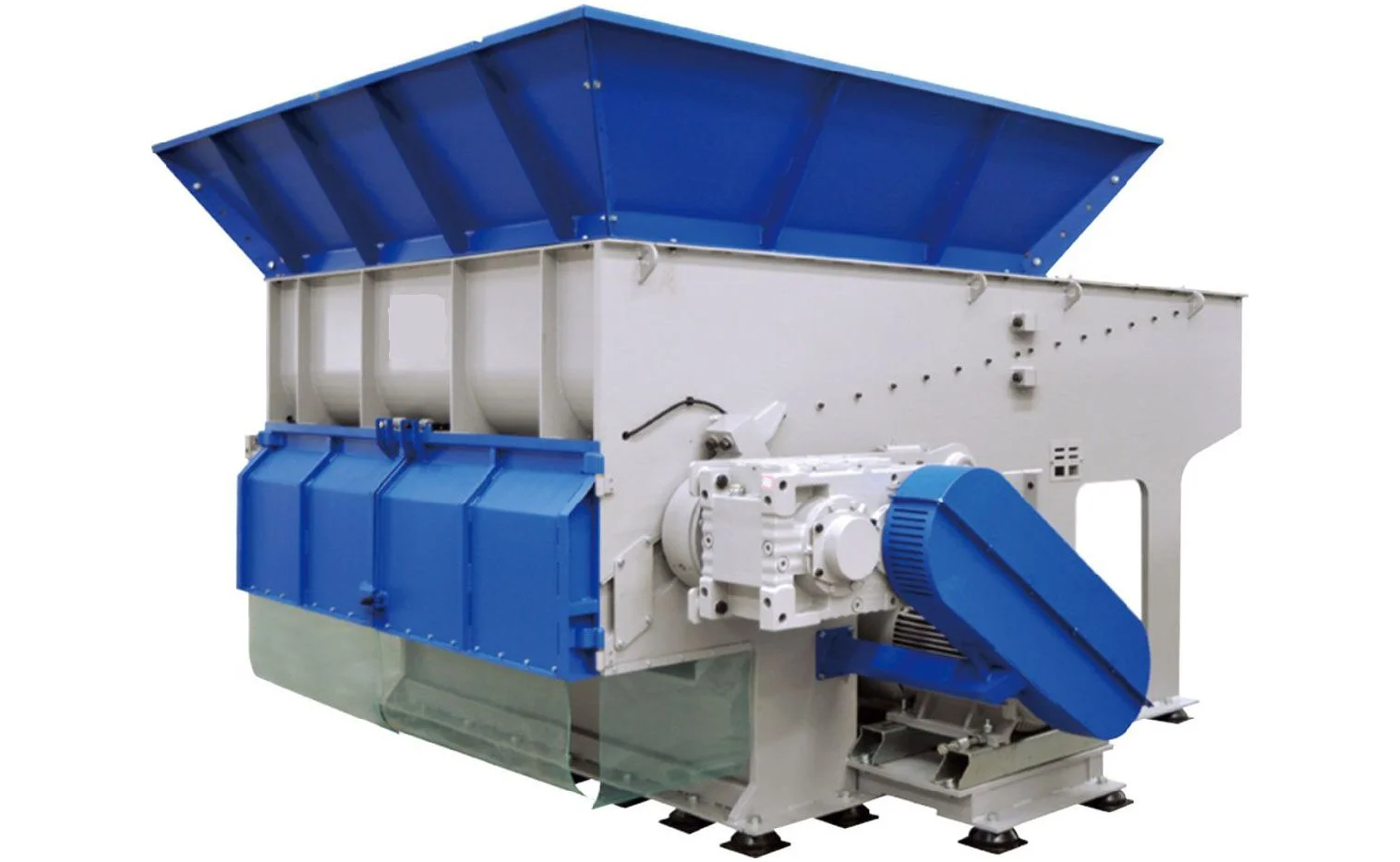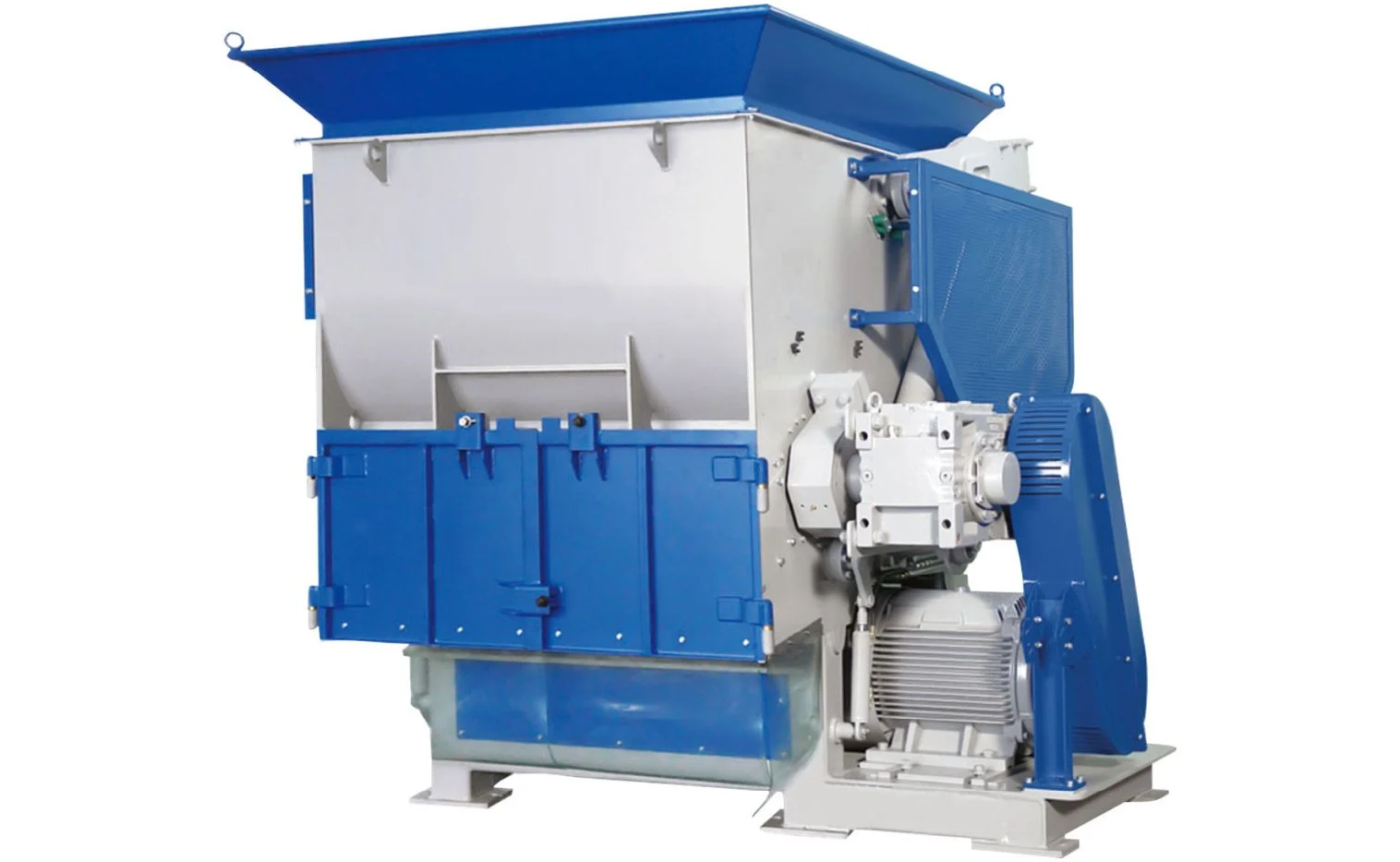
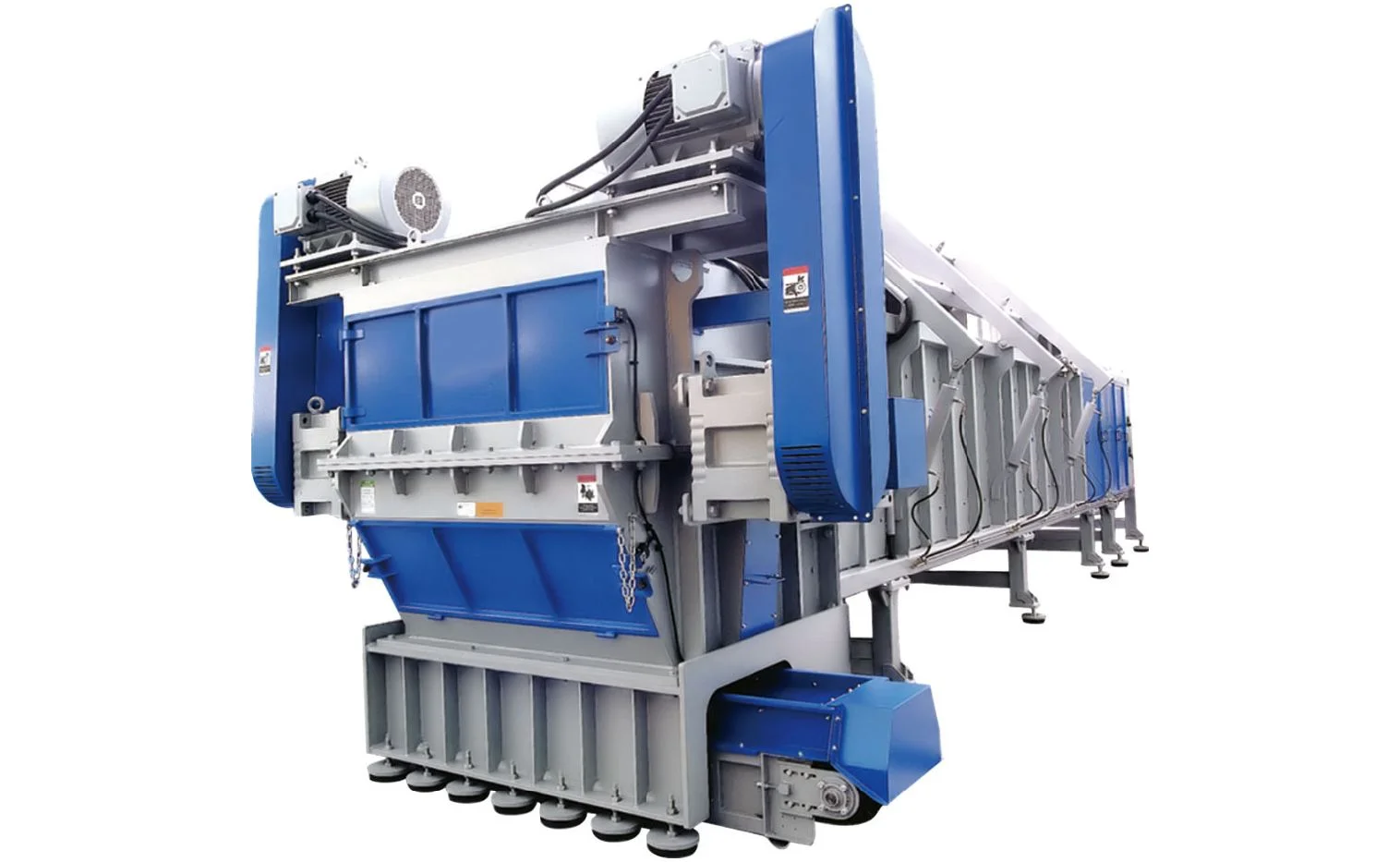
Pipe shredders occupy a specific niche in the size reduction market, and buyers often come to the conversation knowing they need a machine for pipe but uncertain about which configuration is the right fit. That uncertainty is reasonable. The range of pipe applications is broad: everything from small-diameter conduit bundles to 1,200mm municipal water mains, from standard PVC to pressure-rated HDPE, from inline production scrap to batch processing of incoming post-consumer material.
Getting this decision right the first time is important. A pipe shredder configured for your application will run reliably for years. One that is undersized, mismatched to your pipe diameter range, or paired with the wrong downstream equipment creates ongoing operational frustrations that cost more over time than the initial price difference would have suggested.
Global plastic pipe market in 2025, generating continuous production scrap and growing end-of-life recycling volumes
P-Series Machine Dimensions
The engineering drawing below shows the full side profile and end view of the P-Series Pipe Profile Industrial Shredder with labeled dimension references A through H. These configurations are available in rotor widths from 800 mm to 1,500 mm to match your pipe diameter and throughput requirements. Contact Virtus Equipment for the exact dimension table for your specific rotor configuration.
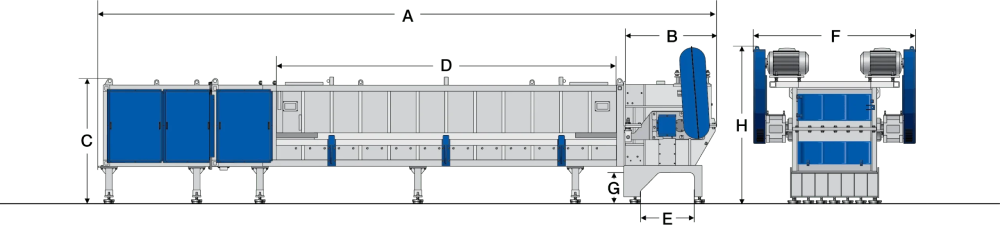 DIMENSION REFERENCE GUIDE
Three primary pipe resins each have different processing characteristics that affect shredder configuration selection
Rotor width range available for the P-Series, allowing configuration to match your specific pipe diameter requirements
Six Questions to Answer Before You Specify a Pipe Shredder
The recycling industry handles small and medium diameter pipe reasonably well with general-purpose shredders. It is the large diameter material, anything approaching or exceeding 400mm, where standard equipment runs into the same set of problems repeatedly.
What is your maximum pipe diameter?
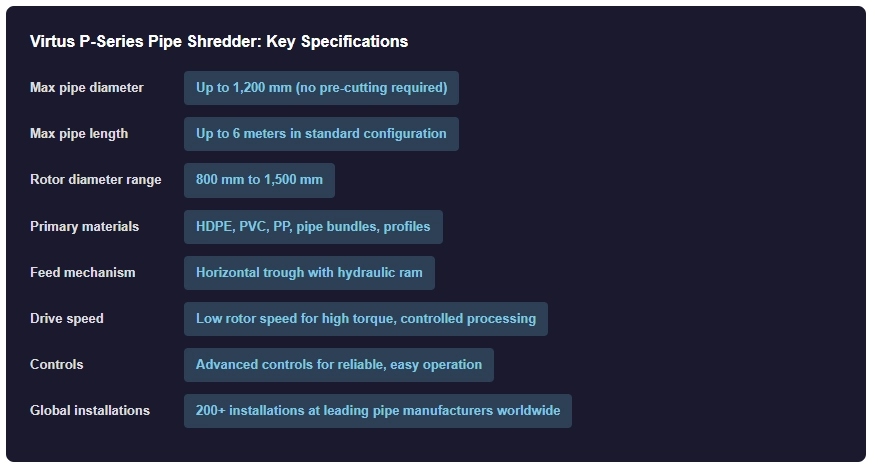
This is the single most important specification. The pipe shredder must be able to accept your largest diameter pipe without pre-cutting. The Virtus P-Series Pipe Profile Industrial Shredder handles pipes up to 1,200mm in diameter. If your maximum pipe is 200mm, a different rotor width configuration is appropriate than if your maximum is 800mm. Be precise about your actual maximum, not a worst-case theoretical maximum you may never process.
What is your maximum pipe length?
The standard P-Series horizontal feed trough accepts pipes up to 6 meters in length. If your pipe arrives in shorter sections, the machine operates efficiently within that range. If you are handling extrusion line scrap that comes off in full 6-meter production lengths, confirm the trough length matches your production reality before specifying.
What resin are you processing?
PVC, HDPE, and PP all process well through a pipe shredder, but they have different considerations. PVC generates chlorine-containing dust during shredding and requires a proper dust extraction system. HDPE in large diameter pressure-rated configurations may be thicker-wall than standard pipe of the same diameter. PP has excellent recyclability but different cutting characteristics. Make sure your equipment configuration accounts for the specific resin you are running.
Is this an inline production operation or a batch recycling operation?
An inline configuration where the shredder sits at the end of the extrusion line and processes scrap as it is generated has different layout, conveyance, and throughput requirements than a batch operation processing incoming material on a scheduled basis. Both work, but the equipment arrangement and downstream integration differ.
What is your target throughput?
Throughput requirements drive rotor width selection and motor sizing. A facility processing startup scrap from a single extrusion line has different throughput needs than a recycling contractor handling incoming pipe from construction and demolition sites all day. Be realistic about your volume projections, including growth, before specifying.
What downstream processing does the shredded material require?
The shredder is the first stage. Most pipe recycling applications also need a downstream granulator to reduce the shredded material to the regrind particle size required for re-extrusion or sale. For PVC powder applications, a pulverizer is a third stage. Specifying the full system upfront produces better results than adding stages later.
P-Series Configuration Options
Matching Application Type to Machine Configuration
| Application | Pipe Diameter Range | Recommended Configuration | Downstream Equipment |
|---|---|---|---|
| Pipe extrusion line startup/trim scrap | Matches production line diameter | P-Series sized to production line max diameter, inline positioning at line end | Pipe and profile granulator for regrind sizing |
| Post-consumer large diameter pipe (municipal, C&D) | Up to 1,200mm or larger | Largest P-Series rotor configuration; batch operation with loading assistance for very large diameter | Granulator for size finishing; pulverizer if powder output needed (PVC) |
| PVC conduit and telecom pipe | 16mm to 200mm typically in bundles | P-Series at lower rotor width; bundle feeding is a primary use case | Granulator for regrind; pulverizer for PVC powder |
| Mixed pipe and profile extrusion scrap | Varied, includes both round pipe and non-round profiles | P-Series handles both round pipe and profile sections; confirm maximum cross-section dimensions | Granulator for downstream size finishing |
Typical Configuration Pairs
Option 1: Shredder + Granulator
The most common configuration. The P-Series shreds full-length pipe to intermediate pieces. AP-Series pipe and profile granulatorfinishes to regrind particle size suitable for extrusion. Appropriate for HDPE and PP applications and PVC where granule output is the target.
Option 2: Shredder + Granulator + Pulverizer
The full three-stage line for PVC pipe-to-powder applications. Shredder handles the full pipe. Granulator reduces to granule.Pulverizerproduces fine PVC powder ready for direct reuse in new pipe extrusion. This closed-loop application is among the highest-value pipe recycling processes available.
Option 3: Shredder Only (for pre-processing)
For operations that provide shredded pipe as feedstock to downstream recyclers or compounders rather than producing finished regrind in-house. The shredder reduces pipe to a standard piece size specified by the buyer. Lower capital requirement; simpler operational model.
Option 4: Integration into Existing Line
For facilities that already have a downstream granulator and need to add pipe shredding capability upstream. The P-Series feeds directly into existing downstream equipment when the shredder output size is compatible with the granulator’s feed requirements. Virtus can advise on compatibility.
The fastest way to confirm the right configuration is to run your material.Virtus Equipment’s testing facility processes your actual pipe material on the P-Series and confirms throughput, output size, and the correct downstream equipment pairing. You see real results before you commit to any purchase.Schedule material testing here.
Watch the P-Series Pipe Shredder in Action
These videos show the actual P-Series Pipe Profile Industrial Shredder running. See the horizontal feed trough, hydraulic ram operation, and how pipe material processes through the cutting zone.
- P-Series Pipe & Profile Shredder Overview
The official Virtus Equipment P-Series machine overview. See the horizontal trough, hydraulic ram, and rotor design that makes large diameter pipe processing possible without pre-cutting. - P-Series Pipe Shredder in Operation
See the P-Series processing pipe material under production conditions. Watch how the hydraulic ram controls material feed rate through the cutting zone. - Full Virtus Equipment YouTube Channel
Browse all Virtus Equipment material tests and machine demonstrations including granulators, shredders, and combination systems. - Have Similar Material? Send It to Us
Ship us your pipe or profile material and we will run it on the P-Series at our Fort Myers testing facility and send you the video results.