Tires are engineered to survive the road, which makes them brutal to recycle: tough, elastic, abrasive, and full of steel. Here’s what the material demands and how the right shredder answers.
Tires are engineered to survive years of abuse on the road, which makes them one of the hardest things in the recycling world to take apart. A tire is tough rubber reinforced with steel and fabric, built specifically not to tear. Reducing it demands a machine designed for that fight, and a strategy for separating the steel from the rubber afterward. Whether you are pre-shredding whole tires or processing rubber scrap, here is what the material requires and how the right shredder handles it.
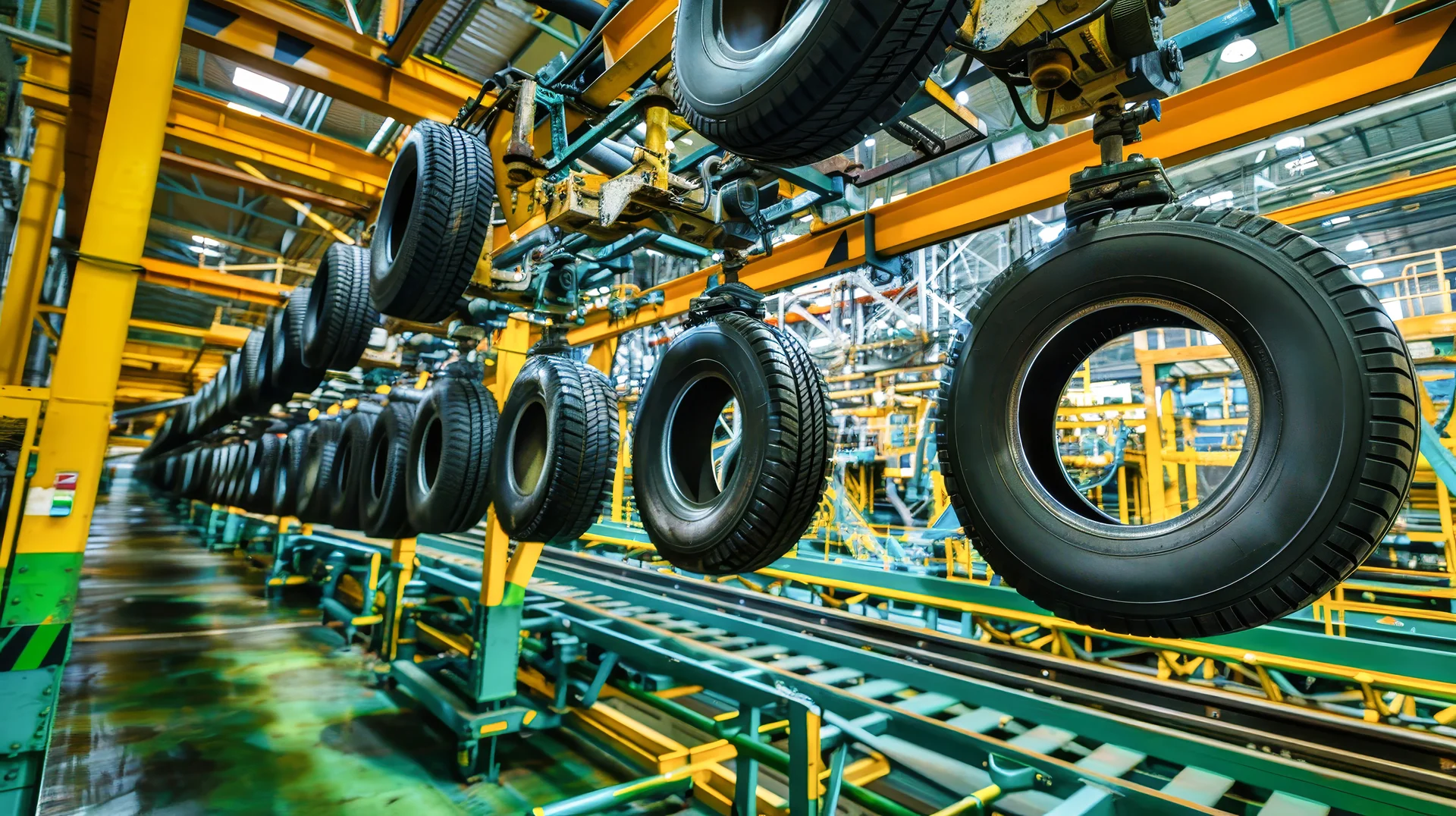
A tire combines tough, elastic rubber with embedded steel wire and fabric reinforcement. It resists tearing by design, it is abrasive, and it hides steel that will damage the wrong machine. Tire reduction needs a purpose-built, heavy, wear-resistant shredder, and a plan to recover the steel.
What makes rubber and tires difficult
Three properties set tires apart. Toughness and elasticity: rubber absorbs and resists cutting energy in a way rigid plastic does not, so the machine has to shear rather than shatter. Embedded steel: the bead and belts contain steel wire that will wreck a machine not built to cut it, and that must ultimately be separated out. Abrasiveness: the whole package wears cutting tools quickly, so knife metallurgy and wear protection matter more than usual.
The machine built for tires: the T-Series
Virtus builds the T-Series industrial tire recycling shredder specifically for this material. It is a single-shaft shredder designed to process complete or pre-shredded tires, and its specifications reflect the difficulty of the job:[1]
| Specification | Detail | Why it matters for tires |
|---|---|---|
| Rotor | 750 mm diameter, hard-faced | Mass and wear resistance for tough, abrasive rubber |
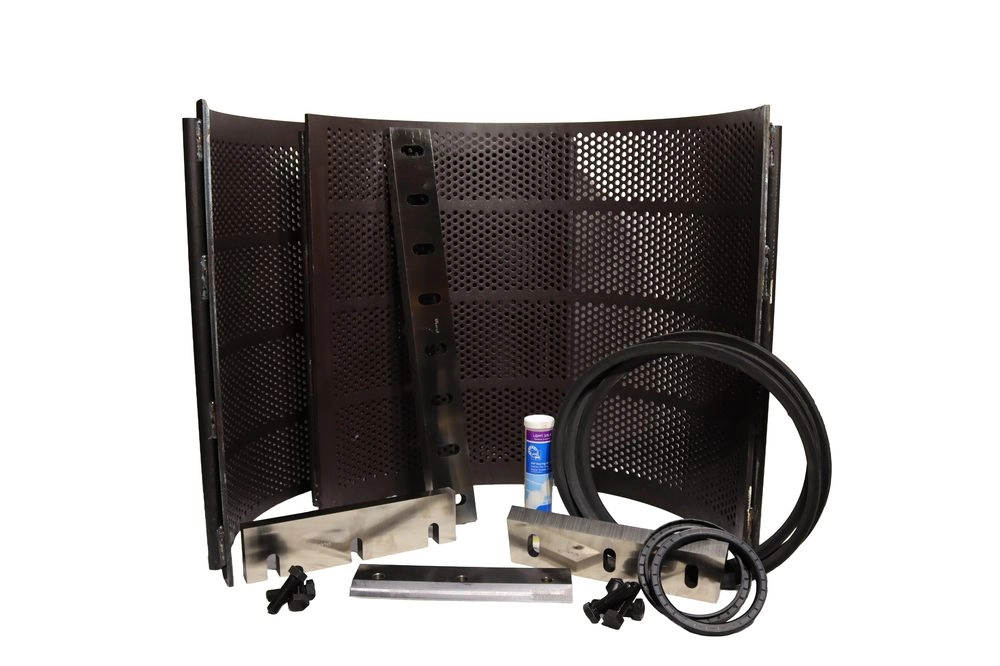
| Knives & wear plates | Highly wear-resistant steel | Survive the abrasion tires cause |
| Rotor widths | 1500 mm to 3000 mm | Scales to throughput needs |
| Drive | Twin gear drives, oversized outboard bearings | The torque to shear reinforced rubber |
| Infeed | Tangential, no hydraulic feed system | Optimal tire feeding, simpler machine |
With a single row of stator knives, the T-Series pre-shreds complete car tires or large pieces of pre-processed truck tires down to a size of roughly 150 mm, the coarse first-stage reduction that the rest of a tire-recycling process builds on.[1] The heavy-duty X-Series can perform the same whole-tire pre-shred where a multi-material machine is preferred.[2]
Separating steel from rubber
Tire recycling is not just reduction; it is also separation. The T-Series is designed with this in mind: it uses a variable knife gap and optimized cutting to effectively separate steel and rubber during shredding, and when paired with a 20 mm screen, the resulting material allows for easy magnetic separation of the steel in downstream processes.[1] In other words, the shredder does not just make the tire smaller, it sets up the steel recovery that makes tire recycling economical.
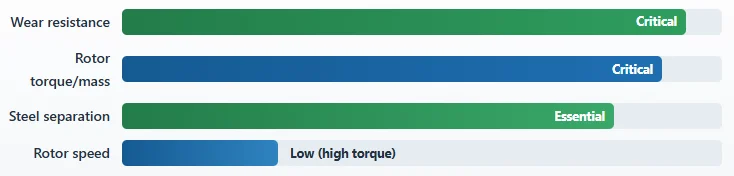
What tire reduction demands from a machine
The design priorities that separate a tire shredder from a general plastics machine. Directional emphasis.
Planning a tire operation
Tire recycling is usually staged. The shredder does the coarse first cut to roughly 150 mm and begins liberating the steel; downstream steps handle magnetic steel separation, further size reduction, and cleaning depending on your target product, whether that is tire-derived fuel, crumb rubber, or feedstock for other processes. The T-Series modular design makes it straightforward to integrate into an existing installation, so it can slot into a larger line rather than forcing a redesign.[1]
Frequently asked questions
Can a regular plastics shredder handle tires?
Not well, and not for long. Tires are tougher, more abrasive, and full of steel that damages machines not built for it. A purpose-built tire shredder uses a heavy hard-faced rotor, highly wear-resistant knives and wear plates, and a drive sized for reinforced rubber.
How does the shredder help recover the steel?
The T-Series uses a variable knife gap and optimized cutting to separate steel and rubber as it shreds. Paired with a 20 mm screen, its output is sized so the steel can be pulled out by magnetic separation downstream, which is what makes tire recycling pay.
What size does it reduce tires to?
The T-Series pre-shreds complete car tires or large pieces of pre-processed truck tire down to roughly 150 mm as a coarse first stage. Finer sizes for crumb rubber or other products come from downstream reduction steps.
Processing tires or rubber scrap?
Send Virtus your material. We’ll test it on a purpose-built tire shredder and show you how it sets up steel and rubber separation downstream.