Not all recycling ends in a product. A growing share becomes fuel. Turning mixed, bulky, contaminated waste into refuse-derived fuel is a size-reduction job with its own rules.
Not all recycled material goes back into products. A large and growing share is converted into energy as refuse-derived fuel, or RDF: processed waste, much of it plastic, paper, and other combustibles, prepared to a consistent size and quality so it can be burned efficiently in cement kilns, power plants, and industrial boilers. Preparing waste for RDF is a size-reduction job with its own rules, different from making clean regrind. If you are looking at turning mixed or contaminated waste into fuel, here is what the process demands.
RDF is not about a clean, uniform particle for reprocessing. It is about turning bulky, mixed, often contaminated waste into a consistent, manageable fuel with predictable size and handling. The priorities are throughput, robustness against contamination, and a consistent output the end user can burn, not fine-flake precision.
Why RDF feed is uniquely demanding
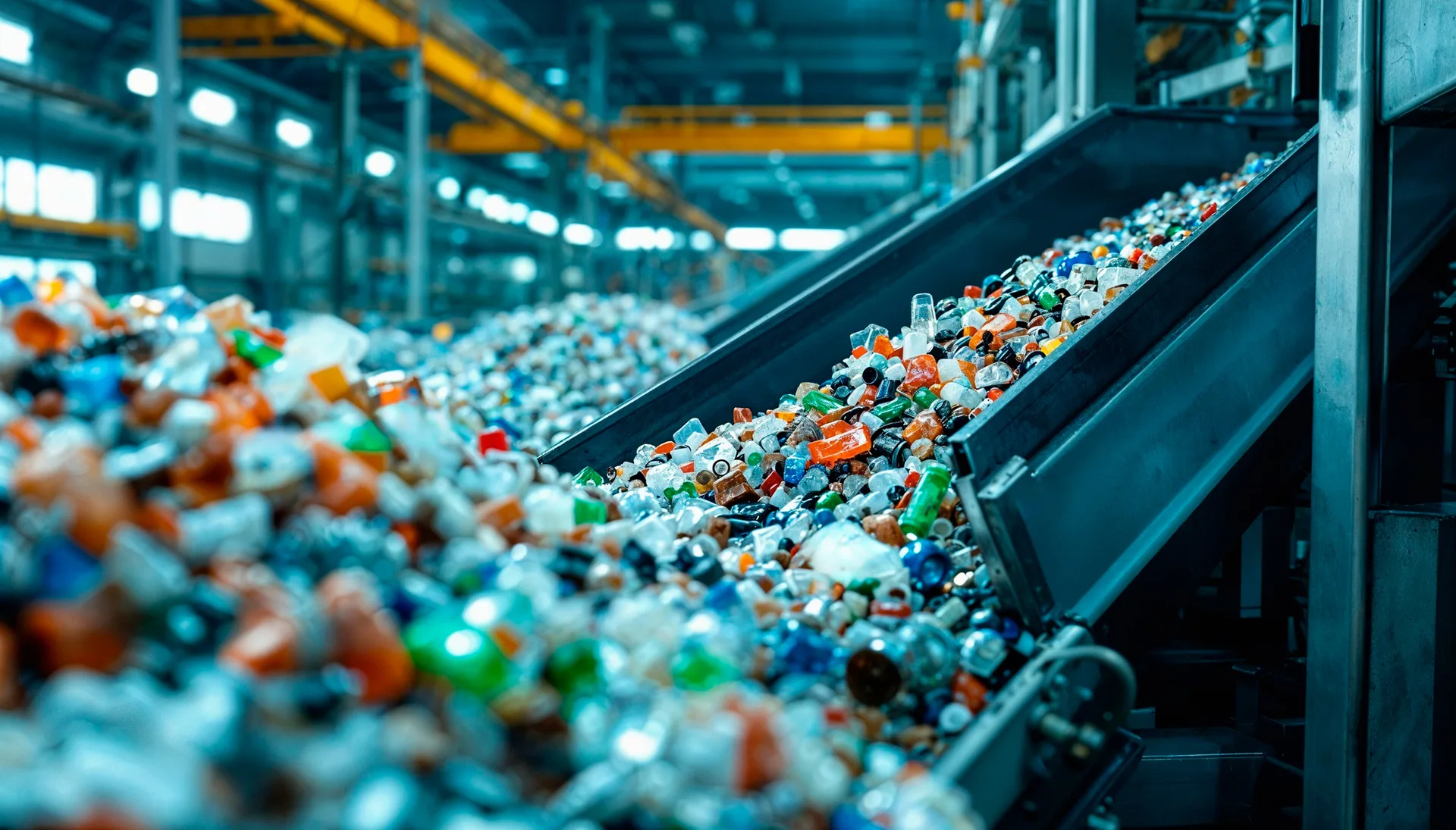
The feed for RDF is some of the toughest a shredder ever sees, precisely because it is not sorted the way clean recycling streams are. It is mixed: plastics, paper, cardboard, wood, textiles, and more, all together. It is bulky and variable: no consistent shape or density. And it is contaminated: it can hide metal and grit that would stop a delicate machine. A machine for RDF has to keep running through all of that at high volume, because the economics of fuel depend on throughput.
The machines built for high-volume mixed waste
This is exactly the territory of Virtus’s heaviest shredders. The heavy-duty X-Series is designed for the most demanding and high-throughput applications in the recycling industry, and its input list reads like an RDF feedstock spec: all kinds of wood, paper, cardboard, plastic, e-waste, post-consumer waste, and rubber, in various shapes and sizes, including pallets, bales, and drums.[1] For bulky, low-density mixed loads, the big-volume V-Series brings the large chamber and high-capacity pusher those materials need,[2] and where the layout suits horizontal feeding, a horizontal shredder is another route into bulky mixed waste.
| RDF feed challenge | Machine answer |
|---|---|
| High volume, continuous | Heavy-duty X-Series built for high throughput |
| Mixed material types | Shredders that accept wood, paper, plastic, rubber together |
| Bulky, low-density loads | Big-volume chamber and high-capacity pusher |
| Hidden contamination | Robust construction plus metal detection/separation upstream |
RDF priorities vs. clean-regrind priorities
Preparing fuel emphasizes different things than making regrind for reprocessing. Directional comparison of what each job values.
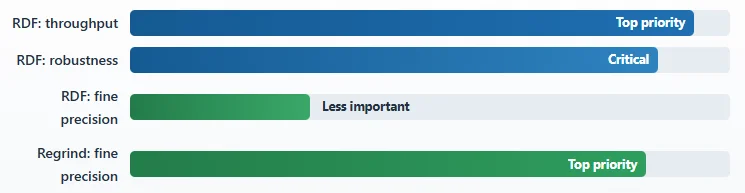
Directional contrast between fuel preparation and reprocessing-grade regrind, based on typical RDF requirements and Virtus heavy-duty shredder positioning.[1]
Single-stage or two-stage?
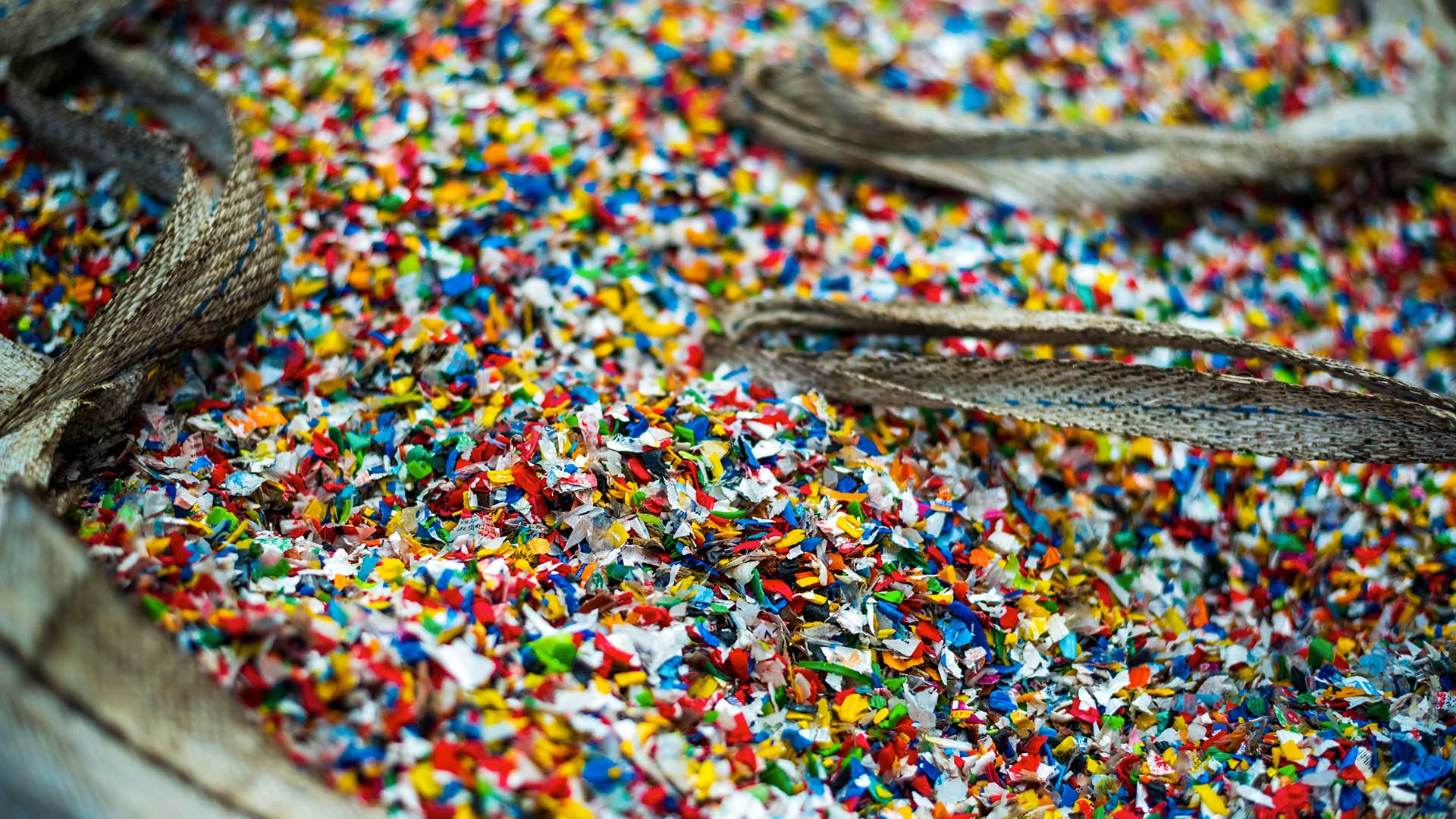
RDF specifications vary by end user. Some kilns and boilers accept a coarse fuel that a single heavy shredder produces; others require a finer, more consistent particle that calls for a second reduction stage. The size target set by your fuel buyer determines whether one robust shredder is enough or whether you stage the reduction. Because Virtus supplies the full range plus separation and conveying, the line can be built to hit a specific RDF size and cleanliness spec rather than approximated.
Contamination control still matters
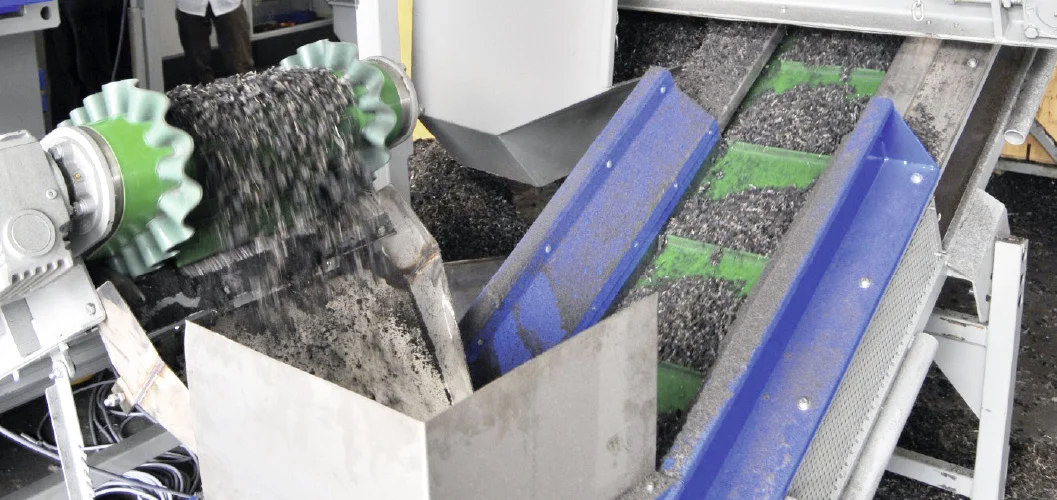
Even for fuel, metal is the enemy of the machine. Mixed waste hides tramp metal that will damage a rotor, so metal detection and magnetic separation belong in an RDF line just as they do in a recycling line, both to protect the shredder and to keep unwanted material out of the fuel. Building that protection in from the start is cheaper than the downtime a metal strike causes at RDF volumes.
Frequently asked questions
How is preparing RDF different from making regrind?
Regrind aims for a clean, uniform particle to reprocess into products. RDF aims for a consistent, manageable fuel from mixed, often contaminated waste. RDF prioritizes throughput and robustness over fine-particle precision, so the machine choice and setup differ.
What size does RDF need to be?
It depends on the end user, cement kilns, power plants, and boilers each have their own spec. Some accept coarse fuel from a single shredder; others need a finer, more consistent particle that calls for a second reduction stage. Confirm the target with your fuel buyer, then size the line to it.
Can one shredder handle such mixed waste?
A heavy-duty shredder built for high-throughput mixed material can take wood, paper, plastic, rubber, and more together. Whether you need a second stage depends on the required output size and cleanliness. Metal detection and separation should be added to protect the machine regardless.
Building an RDF line?
Send Virtus your waste stream and target fuel spec. We’ll test it on heavy-duty shredders and help you design a line that hits the size and cleanliness your buyer requires.